
Have you noticed a bony protrusion on the side of your big toe? If so, you may have developed the foot condition known as a bunion. Don't let bunions interfere with your daily activities.


Have you noticed a bony protrusion on the side of your big toe? If so, you may have developed the foot condition known as a bunion. Don't let bunions interfere with your daily activities.

Athlete’s foot is a fungal infection that affects the skin of the feet, especially between the toes and along the soles. Also known as tinea pedis, this condition develops when fungi called dermatophytes grow in warm, damp environments. Athlete’s foot can affect anyone, not just athletes, and it often spreads through contact with contaminated floors, shoes, or shared surfaces.
Common symptoms of athlete’s foot include itching, peeling skin, and cracking between the toes. Some people may notice a scaly rash on the bottom or sides of the feet, while others may experience blisters or painful skin breaks. Symptoms may become more noticeable after wearing tight shoes or spending long periods in warm, sweaty footwear.
Several factors can increase the risk of developing athlete’s foot. Walking barefoot in public areas such as locker rooms, swimming pools, and communal showers can expose the feet to fungal organisms. Wearing non-breathable shoes, keeping feet damp, and having excessive foot sweating can also create conditions where fungus thrives. Not changing socks regularly may also contribute. People with a weakened immune system, certain medical conditions, or a history of recurring foot infections are at a higher risk of developing athlete’s foot.
Athlete’s foot is caused by the overgrowth of fungi that feed on dead skin cells. The infection spreads easily because these fungi can survive in moist environments and transfer from one person to another. Prevention includes keeping feet clean and dry, wearing moisture-wicking socks, and choosing breathable footwear. Avoiding sharing shoes or towels also helps. Treatment may include antifungal medications, proper foot hygiene, and professional evaluation when symptoms persist or worsen. A podiatrist can help identify the specific cause of foot irritation and recommend effective treatment options to restore healthy skin. If you have symptoms of athlete’s foot, it is suggested that you consult a podiatrist for an accurate diagnosis and appropriate treatment.
Athlete’s Foot
Athlete’s foot is often an uncomfortable condition to experience. Thankfully, podiatrists specialize in treating athlete’s foot and offer the best treatment options. If you have any questions about athlete’s foot, consult with Ahmad Elsamad, DPM from The Institute of Foot & Ankle Reconstructive Surgery . Our doctor will assess your condition and provide you with quality treatment.
What Is Athlete’s Foot?
Tinea pedis, more commonly known as athlete’s foot, is a non-serious and common fungal infection of the foot. Athlete’s foot is contagious and can be contracted by touching someone who has it or infected surfaces. The most common places contaminated by it are public showers, locker rooms, and swimming pools. Once contracted, it grows on feet that are left inside moist, dark, and warm shoes and socks.
Prevention
The most effective ways to prevent athlete’s foot include:
Symptoms
Athlete’s foot initially occurs as a rash between the toes. However, if left undiagnosed, it can spread to the sides and bottom of the feet, toenails, and if touched by hand, the hands themselves. Symptoms include:
Diagnosis and Treatment
Diagnosis is quick and easy. Skin samples will be taken and either viewed under a microscope or sent to a lab for testing. Sometimes, a podiatrist can diagnose it based on simply looking at it. Once confirmed, treatment options include oral and topical antifungal medications.
If you have any questions, please feel free to contact our offices located in Merrillville, and Munster, IN . We offer the newest diagnostic and treatment technologies for all your foot care needs.
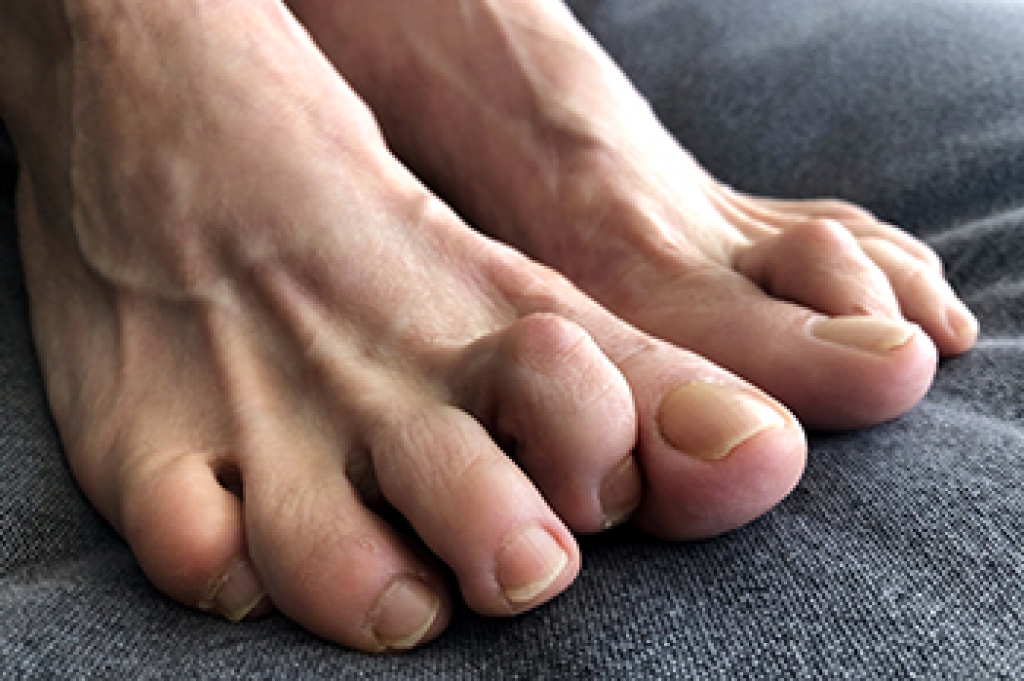
A hammertoe deformity causes one of the smaller toes to bend at its middle joint instead of lying flat. The second toe is affected most frequently, although the condition can develop in other toes. It begins when the muscles and tendons that control the toe become unbalanced. This imbalance pulls the toe into an abnormal position. Possible causes include an inherited foot structure, a previous injury, or arthritis. A bunion can also push against the second toe and increase the risk of hammertoe. The joint can remain flexible at first but can later become stiff and fixed in place.
Symptoms usually develop when the bent toe rubs against the inside of a shoe. Patients can experience pain, redness, and swelling around the raised joint. A corn can form on top of the toe, while a callus can develop beneath the front of the foot. These thickened areas of skin result from repeated pressure and friction. Pain can become worse while walking or when wearing shoes with a narrow toe box. A podiatrist can examine the toe, test its flexibility, and check for related problems. Weight-bearing X-rays can show the position of the bones and the severity of the deformity.
Treatment depends on whether the toe is flexible or rigid and how much discomfort it causes. A podiatrist can recommend shoes with a deep, wide toe box to reduce pressure. Custom orthotics can improve the way weight is spread across the foot. Professional padding or splinting can also protect irritated skin and help position a flexible toe. The podiatrist can safely treat painful corns and calluses without damaging healthy tissue. Early care can help prevent increasing stiffness, skin sores, and continued pain. If you are in pain from a hammertoe deformity, it is suggested that you schedule an appointment with a podiatrist for a diagnosis and appropriate treatment.
Hammertoes can be a painful condition to live with. For more information, contact Ahmad Elsamad, DPM of The Institute of Foot & Ankle Reconstructive Surgery . Our doctor will answer any of your foot- and ankle-related questions.
Hammertoe
Hammertoe is a foot deformity that occurs due to an imbalance in the muscles, tendons, or ligaments that normally hold the toe straight. It can be caused by the type of shoes you wear, your foot structure, trauma, and certain disease processes.
Symptoms
Risk Factors
Treatment
If you have hammertoe, you should change into a more comfortable shoe that provides enough room for your toes. Exercises such as picking up marbles may strengthen and stretch your toe muscles. Nevertheless, it is important to seek assistance from a podiatrist in order to determine the severity of your hammertoe and see which treatment option will work best for you.
If you have any questions, please feel free to contact our offices located in Merrillville, and Munster, IN . We offer the newest diagnostic and treatment technologies for all your foot care needs.
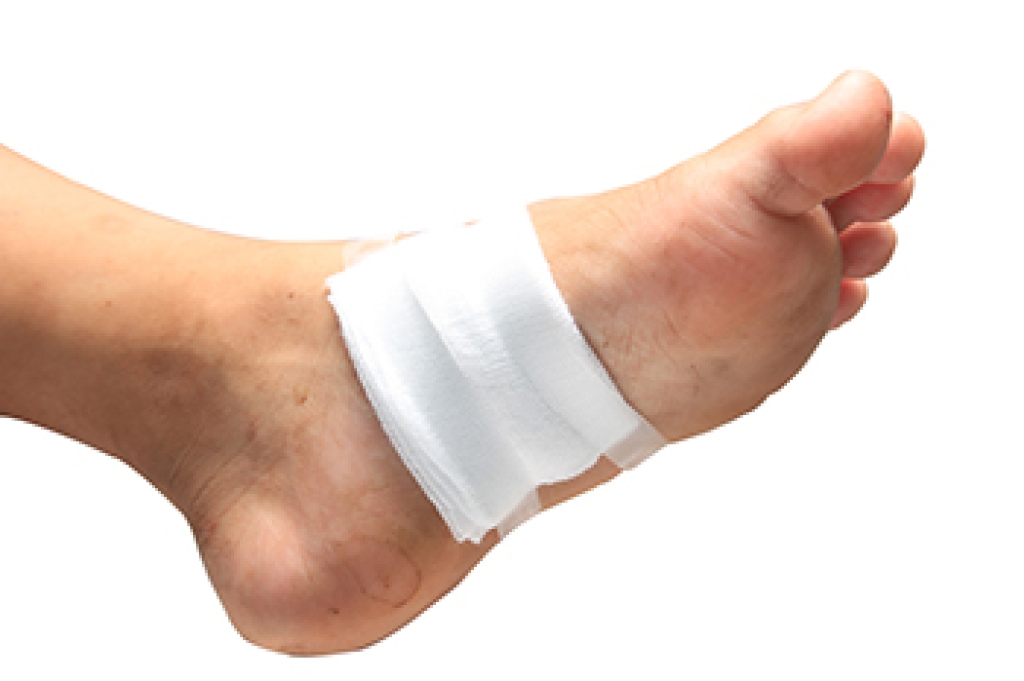
Sores on the feet develop when pressure damages the skin and tissue beneath it. They frequently form over bony areas, especially the heels and ankles. People who spend long periods in bed, sit in a wheelchair, or have limited movement face increased risk. Diabetes and poor blood flow raise the risk, because wounds can be harder to notice and heal. Early signs include red or discolored skin, warmth, and tenderness. The area may feel firm or spongy. A sore can later become a blister or open wound, and, in severe cases, extend into deeper tissue.
Pressure is the main cause, but friction and sliding can add to the damage. Moisture can weaken the skin and make it more open to injury. Foot deformities, prominent bones, and shoes that create repeated pressure can lead to sores. Reduced feeling in the feet is concerning, because a patient may not notice pain or skin changes. A pressure sore should receive medical attention. Increasing redness, drainage, or swelling can point to infection. An unpleasant odor is another warning sign. Fever or spreading redness requires urgent care. Without treatment, the wound can deepen and affect muscle or bone.
A podiatrist can examine the pressure sore, measure its depth, and check blood flow and sensation in the foot. The evaluation also identifies the source of pressure and looks for infection. Treatment includes professional wound cleaning, dressings, and monitoring. The podiatrist can provide off-loading devices that shift weight away from the injured area. Orthotics or shoe changes can reduce harmful rubbing and pressure. For deeper sores, the podiatrist can remove damaged tissue to support healing and coordinate care with specialists. Early podiatric care can help limit tissue damage, reduce infection risk, and protect mobility. If you have pressure sores on your feet, it is suggested that you schedule an appointment with a podiatrist for effective relief and management solutions.
Wound care is an important part in dealing with diabetes. If you have diabetes and a foot wound or would like more information about wound care for diabetics, consult with Ahmad Elsamad, DPM from The Institute of Foot & Ankle Reconstructive Surgery . Our doctor will assess your condition and provide you with quality foot and ankle treatment.
What Is Wound Care?
Wound care is the practice of taking proper care of a wound. This can range from the smallest to the largest of wounds. While everyone can benefit from proper wound care, it is much more important for diabetics. Diabetics often suffer from poor blood circulation which causes wounds to heal much slower than they would in a non-diabetic.
What Is the Importance of Wound Care?
While it may not seem apparent with small ulcers on the foot, for diabetics, any size ulcer can become infected. Diabetics often also suffer from neuropathy, or nerve loss. This means they might not even feel when they have an ulcer on their foot. If the wound becomes severely infected, amputation may be necessary. Therefore, it is of the upmost importance to properly care for any and all foot wounds.
How to Care for Wounds
The best way to care for foot wounds is to prevent them. For diabetics, this means daily inspections of the feet for any signs of abnormalities or ulcers. It is also recommended to see a podiatrist several times a year for a foot inspection. If you do have an ulcer, run the wound under water to clear dirt from the wound; then apply antibiotic ointment to the wound and cover with a bandage. Bandages should be changed daily and keeping pressure off the wound is smart. It is advised to see a podiatrist, who can keep an eye on it.
If you have any questions please contact our offices located in Merrillville, and Munster, IN . We offer the newest diagnostic and treatment technologies for all your foot and ankle needs.

Sports injuries can affect athletes of all ages and activity levels. The feet and ankles absorb repeated impact during running, jumping, and quick changes in direction, making them especially vulnerable to injury. Common sports injuries include ankle sprains, stress fractures, and Achilles tendon injuries. Some people also develop plantar fasciitis or tendon inflammation from repetitive movement. Symptoms may include pain, swelling, bruising, or difficulty bearing weight. Others notice stiffness, instability, or reduced range of motion after an injury. Because many foot and ankle injuries share similar symptoms, a professional evaluation is important to identify the underlying cause and recommend the most appropriate treatment.
Some sports injuries happen suddenly after a fall or awkward movement, while others develop gradually from repeated stress on the feet and ankles. Continuing to participate in physical activity with an untreated injury may increase strain on nearby joints and soft tissues. This can affect normal walking and reduce athletic performance. A thorough examination helps determine which structures have been injured and how the condition is affecting foot function. In some cases, imaging studies may be recommended to confirm the diagnosis. Identifying the injury early allows treatment to begin before the condition becomes more serious or leads to long-term complications.
A podiatrist plays an important role in diagnosing and treating sports injuries involving the feet and ankles. After evaluating the injury, a podiatrist develops a personalized treatment plan based on the individual's condition and activity level. Treatment focuses on relieving pain, restoring mobility, and supporting a safe return to physical activity. Early podiatry care may also help reduce the risk of recurring injuries and improve overall foot function. If foot or ankle pain is limiting your ability to stay active, it is suggested that you consult a podiatrist for an evaluation and appropriate treatment options.
Sports related foot and ankle injuries require proper treatment before players can go back to their regular routines. For more information, contact Ahmad Elsamad, DPM of The Institute of Foot & Ankle Reconstructive Surgery . Our doctor can provide the care you need to keep you pain-free and on your feet.
Sports Related Foot and Ankle Injuries
Foot and ankle injuries are a common occurrence when it comes to athletes of any sport. While many athletes dismiss the initial aches and pains, the truth is that ignoring potential foot and ankle injuries can lead to serious problems. As athletes continue to place pressure and strain the area further, a mild injury can turn into something as serious as a rupture and may lead to a permanent disability. There are many factors that contribute to sports related foot and ankle injuries, which include failure to warm up properly, not providing support or wearing bad footwear. Common injuries and conditions athletes face, including:
Sports related injuries are commonly treated using the RICE method. This includes rest, applying ice to the injured area, compression and elevating the ankle. More serious sprains and injuries may require surgery, which could include arthroscopic and reconstructive surgery. Rehabilitation and therapy may also be required in order to get any recovering athlete to become fully functional again. Any unusual aches and pains an athlete sustains must be evaluated by a licensed, reputable medical professional.
If you have any questions please contact our offices located in Merrillville, and Munster, IN . We offer the newest diagnostic and treatment technologies for all your foot and ankle needs.