
Do you suffer from heel pain when you get up in the morning? If so, you should seek professional help and have a proper diagnosis performed. Heel pain can be caused by several different foot-related conditions.


Do you suffer from heel pain when you get up in the morning? If so, you should seek professional help and have a proper diagnosis performed. Heel pain can be caused by several different foot-related conditions.
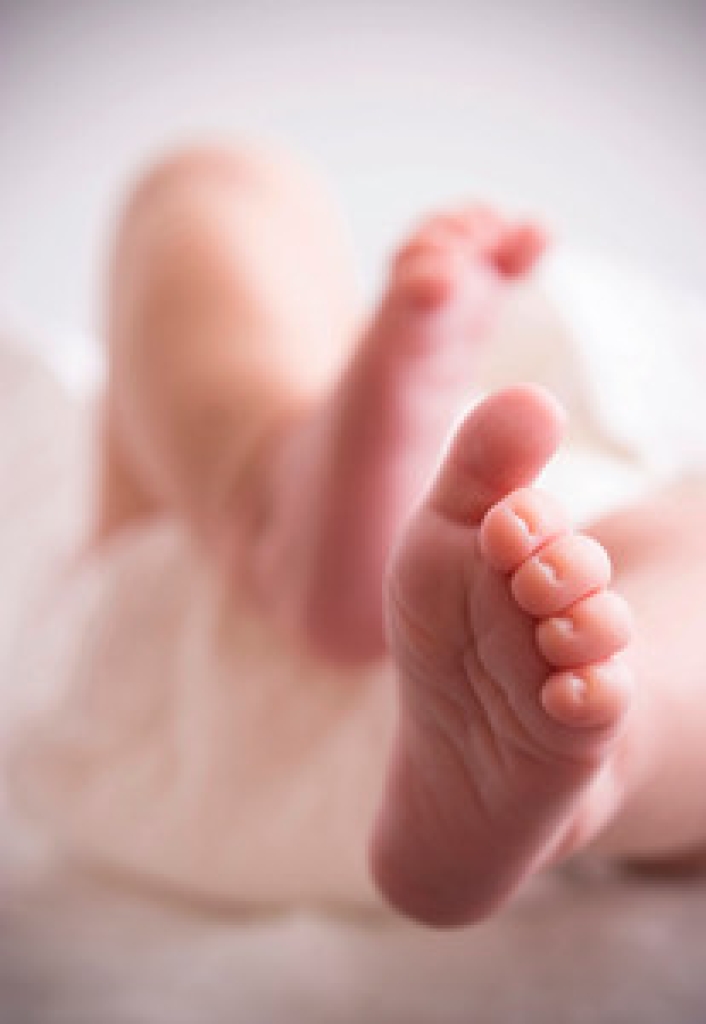 When it comes to caring for your child’s feet, it’s important you look for symptoms of any existing or developing foot conditions. One common condition that can develop among babies and young children is an ingrown toenail. Ingrown toenails are characterized by a toenail that grows into the skin on the side of the toe, often appearing red and swollen. Typically, it is more common that the big toe is affected by this condition. In more severe cases, a white or yellowish liquid may drain from the affected toe, which normally is a sign that an infection in present. To help prevent this condition from afflicting your child’s toes, it’s recommended that you make sure you’re cutting their toenails straight across and that they wear footwear that is not too constricting or tightly fitted. Ingrown toenails are often quite painful and should be treated with professional care. For a safe recovery, and to avoid the development of an infection, we suggest you consult with a podiatrist as soon as possible to treat your child’s ingrown toenail.
Making sure that your children maintain good foot health is very important as they grow. If you have any questions, contact Ahmad Elsamad, DPM of The Institute of Foot & Ankle Reconstructive Surgery . Our doctor can provide the care you need to keep you pain-free and on your feet.
Keeping Children's Feet Healthy
Having healthy feet during childhood can help prevent medical problems later in life, namely in the back and legs. As children grow, their feet require different types of care. Here are some things to consider...
Although babies do not walk yet, it is still very important to take care of their feet.
Avoid putting tight shoes or socks on his or her feet.
Allow the baby to stretch and kick his or her feet to feel comfortable.
As a toddler, kids are now on the move and begin to develop differently. At this age, toddlers are getting a feel for walking, so don’t be alarmed if your toddler is unsteady or ‘walks funny’.
As your child gets older, it is important to teach them how to take care of their feet.
Show them proper hygiene to prevent infections such as fungus.
Be watchful for any pain or injury.
Have all injuries checked by a doctor as soon as possible.
Comfortable, protective shoes should always be worn, especially at play.
If you have any questions, please feel free to contact our offices located in Merrillville, and Munster, IN . We offer the newest diagnostic and treatment technologies for all your foot care needs.
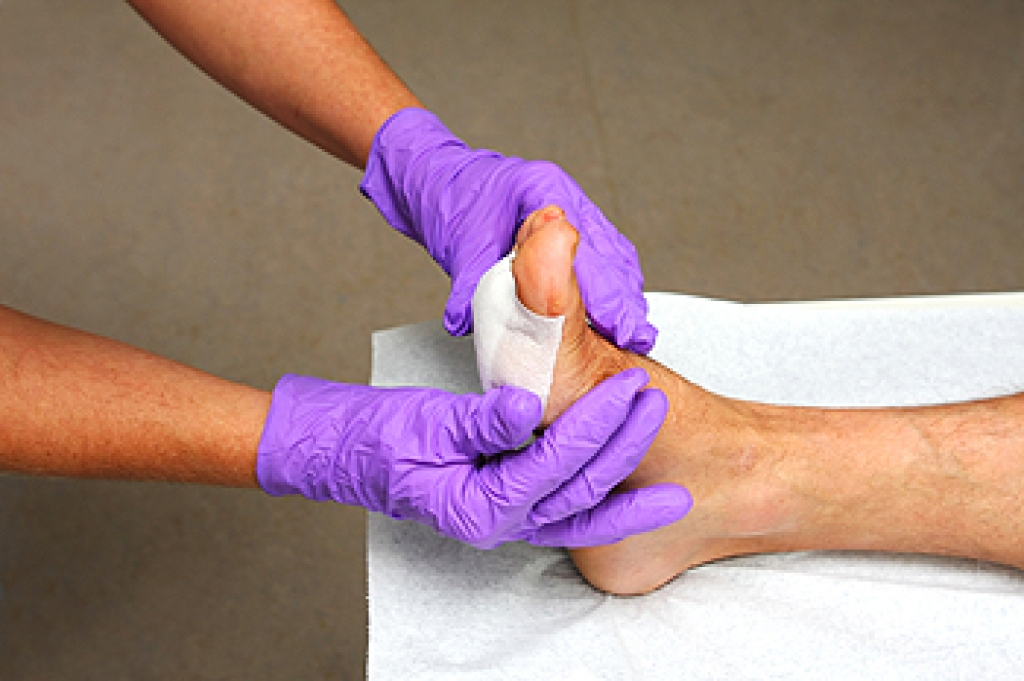 Each toe is comprised of small bones that can break easily, especially if a heavy object is dropped on it. Additionally, a broken toe may occur if it is stubbed against a piece of furniture. The majority of fractured toes are minor, and can be easily treated at home. If the break is severe, there may be an open wound, and the toe may appear to be crooked. Common symptoms that are typically associated with a broken toe can consist of swelling, pain, bruising, and it is often difficult to move. An effective type of treatment for mild fractures is buddy taping. This consists of taping the affected toe to the toe next to it, and it may provide the support that is needed as the healing process takes place. If you would like additional information about how to take care of broken toes, it is suggested that you speak with a podiatrist.
Broken toes may cause a lot of pain and should be treated as soon as possible. If you have any concerns about your feet, contact Ahmad Elsamad, DPM from The Institute of Foot & Ankle Reconstructive Surgery . Our doctor will treat your foot and ankle needs.
What Is a Broken Toe?
A broken toe occurs when one or more of the toe bones of the foot are broken after an injury. Injuries such as stubbing your toe or dropping a heavy object on it may cause a toe fracture.
Symptoms of a Broken Toe
Although the injured toe should be monitored daily, it is especially important to have a podiatrist look at your toe if you have severe symptoms. Some of these symptoms include worsening or new pain that is not relieved with medication, sores, redness, or open wounds near the toe.
If you have any questions please feel free to contact our offices located in Merrillville, and Munster, IN . We offer the newest diagnostic tools and technology to treat your foot and ankle needs.
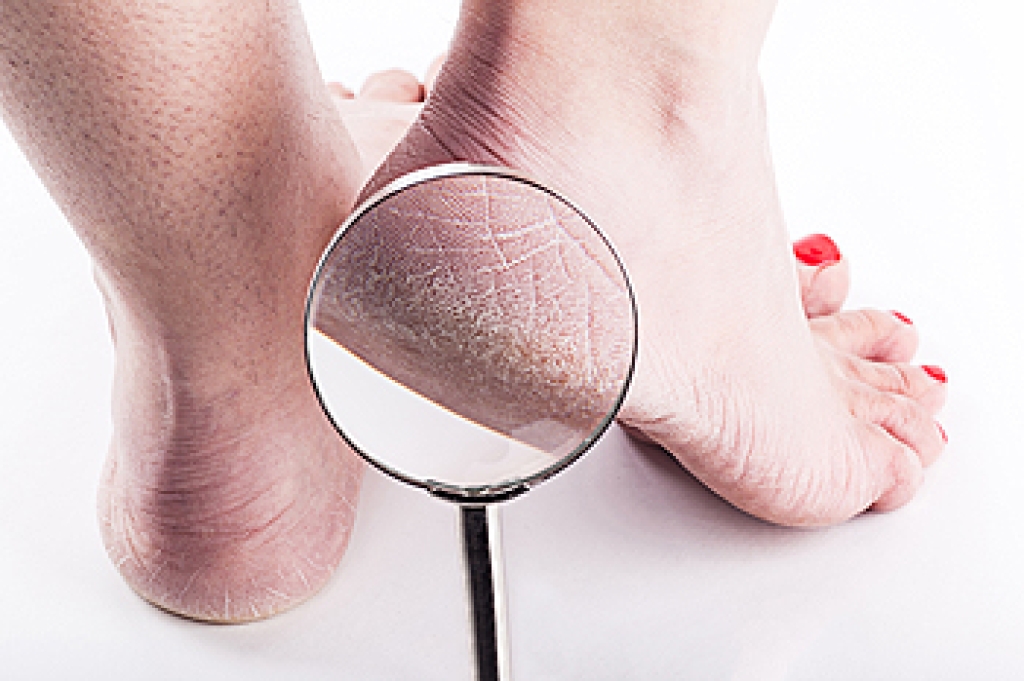
The condition that is known as cracked heels can occur as a result of cold winter temperatures, or from medical conditions that may include diabetes, psoriasis, or eczema. It can cause pain and discomfort, and in severe cases, the affected area may bleed. There are methods that can be implemented which may help to prevent cracked heels from developing. It is beneficial to wash and dry the feet thoroughly, followed by using a moisturizer on the feet and toes. In mild cases, research has indicated it may help to exfoliate excess dry skin, and this can be done by using a pumice stone. Additionally, it may help to wear shoes that have closed backs, and socks that are made of cotton or wool. If you have this condition, it is suggested that you consult with a podiatrist who can help you to manage cracked heels.
If the skin on your feet starts to crack, you may want to see a podiatrist to find treatment. If you have any concerns, contact Ahmad Elsamad, DPM from The Institute of Foot & Ankle Reconstructive Surgery . Our doctor can provide the care you need to keep you pain-free and on your feet.
Cracked Heels
It is important to moisturize your cracked heels in order to prevent pain, bleeding, and infection. The reason cracked heels form is because the skin on the foot is too dry to support the immense pressure placed on them. When the foot expands, the dry skin on the foot begins to split.
Ways to Help Heal Them
Ways to Prevent Cracked Heels
If you are unsure how to proceed in treating cracked heels, seek guidance from a podiatrist. Your doctor will help you with any questions or information you may need.
If you have any questions, please feel free to contact our offices located in Merrillville, and Munster, IN . We offer the newest diagnostic and treatment technologies for all your foot care needs.
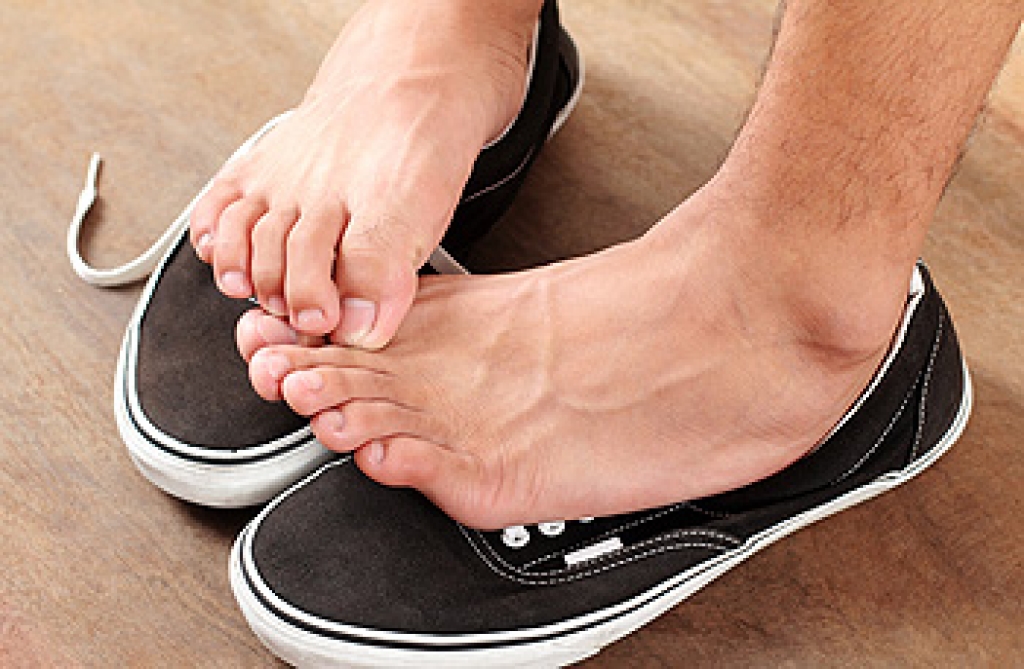 The medical ailment that is known as athlete’s foot often causes discomfort. It is a fungus that affects the skin on the feet. It can produce symptoms that may consist of intense itching between the toes and on the bottom of the feet, the skin may become dry and cracked, and the toenails may become discolored. This condition can develop as a result of wearing shoes and socks that are too tight, and walking barefoot in public areas that include swimming pools, locker rooms, and communal showers. This contagious fungus lives and thrives in warm and moist environments, which is why it is recommended to wear appropriate shoes while in these places. If you have become afflicted with athlete’s foot, it is advised that you are under the care of a podiatrist who can determine the best course of treatment for you.
Athlete’s Foot
Athlete’s foot is often an uncomfortable condition to experience. Thankfully, podiatrists specialize in treating athlete’s foot and offer the best treatment options. If you have any questions about athlete’s foot, consult with Ahmad Elsamad, DPM from The Institute of Foot & Ankle Reconstructive Surgery . Our doctor will assess your condition and provide you with quality treatment.
What Is Athlete’s Foot?
Tinea pedis, more commonly known as athlete’s foot, is a non-serious and common fungal infection of the foot. Athlete’s foot is contagious and can be contracted by touching someone who has it or infected surfaces. The most common places contaminated by it are public showers, locker rooms, and swimming pools. Once contracted, it grows on feet that are left inside moist, dark, and warm shoes and socks.
Prevention
The most effective ways to prevent athlete’s foot include:
Symptoms
Athlete’s foot initially occurs as a rash between the toes. However, if left undiagnosed, it can spread to the sides and bottom of the feet, toenails, and if touched by hand, the hands themselves. Symptoms include:
Diagnosis and Treatment
Diagnosis is quick and easy. Skin samples will be taken and either viewed under a microscope or sent to a lab for testing. Sometimes, a podiatrist can diagnose it based on simply looking at it. Once confirmed, treatment options include oral and topical antifungal medications.
If you have any questions, please feel free to contact our offices located in Merrillville, and Munster, IN . We offer the newest diagnostic and treatment technologies for all your foot care needs.