
Merrillville, IN
Munster, IN

Follow Us
Like Us

Blog

Understanding Sesamoiditis and Forefoot Pain

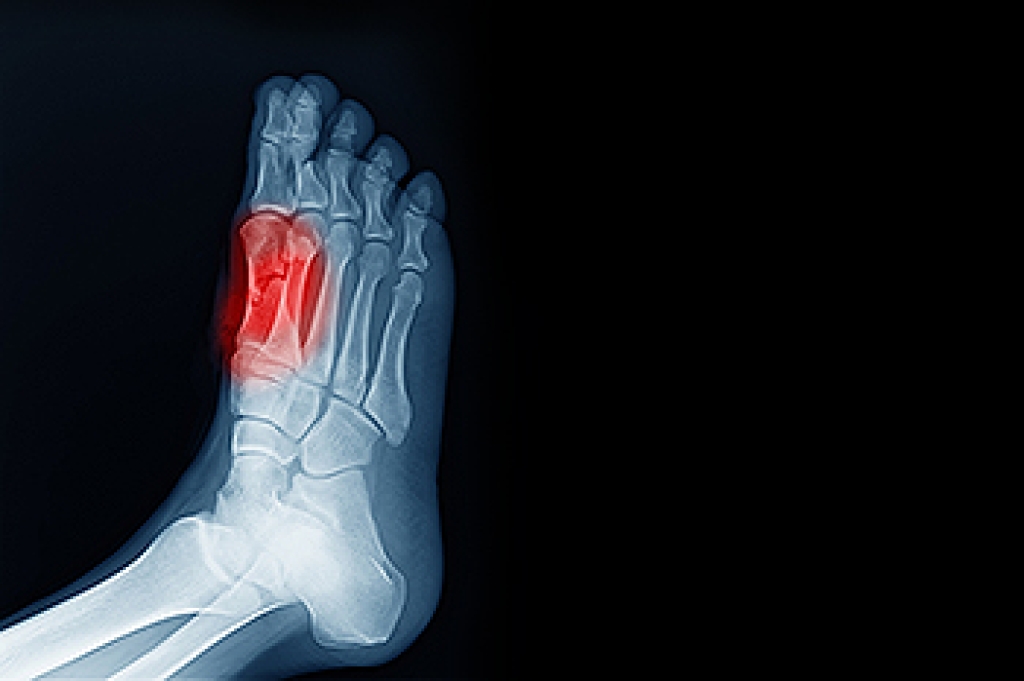
Sesamoiditis affects the small sesamoid bones located beneath the big toe joint. These bones help support movement and absorb pressure when walking and running. Sesamoiditis is considered a cause of pain and inflammation in the ball of the foot. Signs of this condition may include tenderness under the big toe joint, swelling, difficulty bending the toe, and discomfort during weight-bearing activity. Causes often involve repetitive stress, high-impact sports, or footwear that increases pressure on the forefoot. Risk factors include running, dancing, and wearing high-heeled shoes. A podiatrist can diagnose the condition and provide targeted treatment. If you have pain in this part of your foot, it is suggested that you consult a podiatrist who can diagnose the cause and provide appropriate relief and treatment solutions.

Sesamoiditis is an unpleasant foot condition characterized by pain in the balls of the feet. If you think you’re struggling with sesamoiditis, contact Ahmad Elsamad, DPM of The Institute of Foot & Ankle Reconstructive Surgery . Our doctor will treat your condition thoroughly and effectively.

Sesamoiditis

Sesamoiditis is a condition of the foot that affects the ball of the foot. It is more common in younger people than it is in older people. It can also occur with people who have begun a new exercise program, since their bodies are adjusting to the new physical regimen. Pain may also be caused by the inflammation of tendons surrounding the bones. It is important to seek treatment in its early stages because if you ignore the pain, this condition can lead to more serious problems such as severe irritation and bone fractures.

Causes of Sesamoiditis

  • Sudden increase in activity
  • Increase in physically strenuous movement without a proper warm up or build up
  • Foot structure: those who have smaller, bonier feet or those with a high arch may be more susceptible

Treatment for sesamoiditis is non-invasive and simple. Doctors may recommend a strict rest period where the patient forgoes most physical activity. This will help give the patient time to heal their feet through limited activity. For serious cases, it is best to speak with your doctor to determine a treatment option that will help your specific needs.

If you have any questions, please feel free to contact our offices located in Merrillville, and Munster, IN . We offer the newest diagnostic and treatment technologies for all your foot care needs.

Read more about Sesamoiditis

Top of the Foot Pain

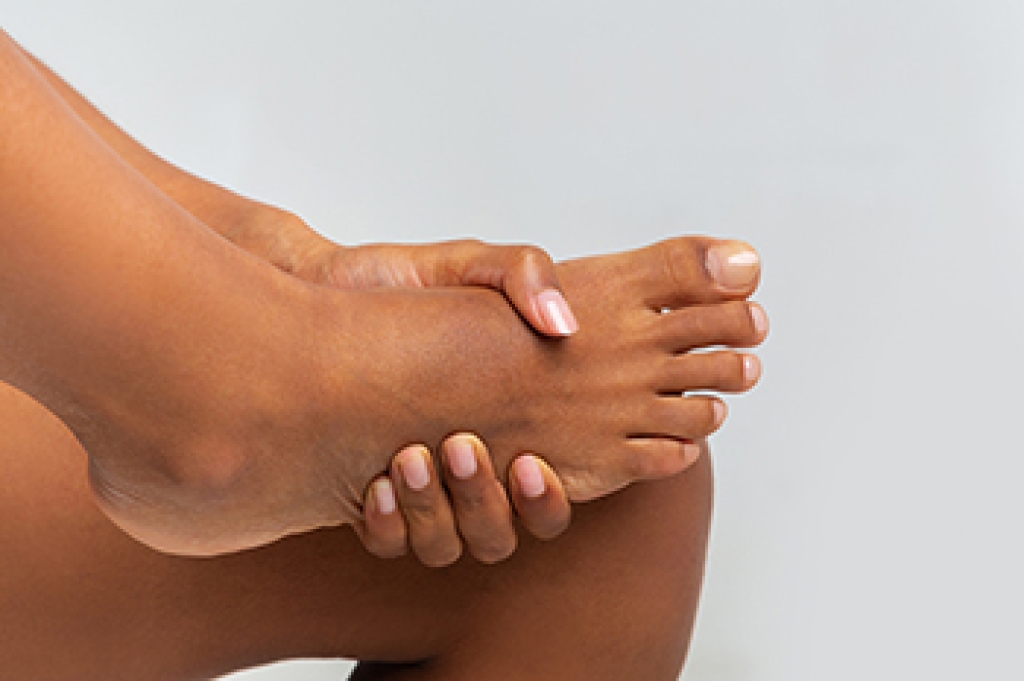
Pain on the top of the foot can develop gradually or begin suddenly after activity or injury. This area contains several small bones, joints, and tendons that help lift the foot while walking. When these structures become irritated, discomfort may appear along the upper surface of the foot and sometimes extend toward the toes or ankle. The pain may feel sharp, aching, or tight, and swelling or mild bruising may also appear. Common causes include overuse from running or walking, tight footwear that places pressure on the top of the foot, or inflammation of the tendons that help lift the toes. Stress injuries to the small bones can also occur in active individuals. A podiatrist will examine the foot, discuss recent activity, and may order imaging to identify the exact cause of the pain. Treatment may include shoe adjustments, protective support, and targeted exercises to reduce strain. If you have pain on the top of the foot, it is suggested that you make an appointment with a podiatrist.

Foot Pain

Foot pain can be extremely painful and debilitating. If you have a foot pain, consult with Ahmad Elsamad, DPM from The Institute of Foot & Ankle Reconstructive Surgery . Our doctor will assess your condition and provide you with quality foot and ankle treatment.

Causes

Foot pain is a very broad condition that could be caused by one or more ailments. The most common include:

  • Bunions
  • Hammertoes
  • Plantar Fasciitis
  • Bone Spurs
  • Corns
  • Tarsal Tunnel Syndrome
  • Ingrown Toenails
  • Arthritis (such as Gout, Rheumatoid, and Osteoarthritis)
  • Flat Feet
  • Injury (from stress fractures, broken toe, foot, ankle, Achilles tendon ruptures, and sprains)
  • And more

Diagnosis

To figure out the cause of foot pain, podiatrists utilize several different methods. This can range from simple visual inspections and sensation tests to X-rays and MRI scans. Prior medical history, family medical history, and any recent physical traumatic events will all be taken into consideration for a proper diagnosis.

Treatment

Treatment depends upon the cause of the foot pain. Whether it is resting, staying off the foot, or having surgery; podiatrists have a number of treatment options available for foot pain.

If you have any questions, please feel free to contact our offices located in Merrillville, and Munster, IN . We offer the newest diagnostic and treatment technologies for all your foot care needs.

Read more about Foot Pain

Causes and Symptoms of Achilles Tendon Injuries

The Achilles tendon is the thick band of tissue that connects the calf muscles to the heel bone and helps you walk, run, and jump. Although it is the strongest tendon in the body, it is often injured during sports that involve sprinting, jumping, or sudden changes in direction. One common problem is Achilles tendinopathy, which means the tendon becomes irritated and damaged from overuse. This leads to pain, swelling, and reduced strength. In more severe cases, the tendon can tear completely, called a rupture. This may cause a sudden sharp pain in the back of the ankle and difficulty pushing off the foot. A podiatrist can perform a detailed exam, order ultrasound or MRI scans, and determine whether bracing, activity modification, or surgery is appropriate. Early diagnosis helps reduce long-term weakness and stiffness. If you have injured your Achilles tendon, it is suggested that you make an appointment with a podiatrist for an exam, diagnosis, and treatment.

Achilles tendon injuries need immediate attention to avoid future complications. If you have any concerns, contact Ahmad Elsamad, DPM of The Institute of Foot & Ankle Reconstructive Surgery . Our doctor can provide the care you need to keep you pain-free and on your feet.

What Is the Achilles Tendon?

The Achilles tendon is a tendon that connects the lower leg muscles and calf to the heel of the foot. It is the strongest tendon in the human body and is essential for making movement possible. Because this tendon is such an integral part of the body, any injuries to it can create immense difficulties and should immediately be presented to a doctor.

What Are the Symptoms of an Achilles Tendon Injury?

There are various types of injuries that can affect the Achilles tendon. The two most common injuries are Achilles tendinitis and ruptures of the tendon.

Achilles Tendinitis Symptoms

  • Inflammation
  • Dull to severe pain
  • Increased blood flow to the tendon
  • Thickening of the tendon

Rupture Symptoms

  • Extreme pain and swelling in the foot
  • Total immobility

Treatment and Prevention

Achilles tendon injuries are diagnosed by a thorough physical evaluation, which can include an MRI. Treatment involves rest, physical therapy, and in some cases, surgery. However, various preventative measures can be taken to avoid these injuries, such as:

  • Thorough stretching of the tendon before and after exercise
  • Strengthening exercises like calf raises, squats, leg curls, leg extensions, leg raises, lunges, and leg presses

If you have any questions please feel free to contact our offices located in Merrillville, and Munster, IN . We offer the newest diagnostic tools and technology to treat your foot and ankle needs.

Read more about What are Achilles Tendon Injuries

Understanding a Clubfoot Deformity

Clubfoot, medically known as talipes equinovarus, is a congenital deformity in which a baby is born with one or both feet turned inward and downward. The position of the foot is referred to as CAVE. C is for cavus or arch.  A is for adductus, because the front of the foot angles inward. V is for varus, when the heel tilts inward. E is for equinus, where the ankle points down like a tiptoe. Clubfoot occurs in the womb when foot and calf muscles pull unevenly. This tightens tendons and ligaments and guides bones out of line as a child grows. A podiatrist can confirm clubfoot with an exam and implement the Ponseti method, which consists of a series of casts that correct the foot alignment. This is often followed by an Achilles tendon release and bracing to reduce relapse. If your child is born with a clubfoot, it is suggested that you are under the care of a podiatrist for help in managing this condition.

Congenital foot problems require immediate attention to avoid future complications. If you have any concerns, contact Ahmad Elsamad, DPM of The Institute of Foot & Ankle Reconstructive Surgery . Our doctor can provide the care you need to keep you pain-free and on your feet.

Congenital foot problems are deformities affecting the feet, toes, and/or ankles that children are born with. Some of these conditions have a genetic cause while others just happen. Some specific foot ailments that children may be born with include clubfeet, polydactyly/macrodactyly, and cleft foot. There are several other foot anomalies that can occur congenitally. What all of these conditions have in common is that a child may experience difficulty walking or performing everyday activities, as well as trouble finding footwear that fits their foot deformity. Some of these conditions are more serious than others. Consulting with a podiatrist as early as possible will help in properly diagnosing a child’s foot condition while getting the necessary treatment underway.

What are Causes of Congenital Foot Problem?

A congenital foot problem is one that happens to a child at birth. These conditions can be caused by a genetic predisposition, developmental or positional abnormalities during gestation, or with no known cause.

What are Symptoms of Congenital Foot Problems?

Symptoms vary by the congenital condition. Symptoms may consist of the following:

  • Clubfoot, where tendons are shortened, bones are shaped differently, and the Achilles tendon is tight, causing the foot to point in and down. It is also possible for the soles of the feet to face each other.
  • Polydactyly, which usually consists of a nubbin or small lump of tissue without a bone, a toe that is partially formed but has no joints, or an extra toe.
  • Vertical talus, where the talus bone forms in the wrong position causing other bones in the foot to line up improperly, the front of the foot to point up, and the bottom of the foot to stiffen, with no arch, and to curve out.
  • Tarsal coalition, when there is an abnormal connection of two or more bones in the foot leading to severe, rigid flatfoot.
  • Cleft foot, where there are missing toes, a V-shaped cleft, and other anatomical differences.
  • Macrodactyly, when the toes are abnormally large due to overgrowth of the underlying bone or soft tissue.

Treatment and Prevention

While there is nothing one can do to prevent congenital foot problems, raising awareness and receiving neonatal screenings are important. Early detection by taking your child to a podiatrist leads to the best outcome possible.

If you have any questions, please feel free to contact our offices located in Merrillville, and Munster, IN . We offer the newest diagnostic and treatment technologies for all your foot care needs.

Read more about Congenital Foot Problems

How to Prevent Falls at Home

Falls in the home are a common concern, especially for older adults, and can result from poor balance, muscle weakness, foot pain, or environmental hazards. Cluttered walkways, loose rugs, and slippery bathroom surfaces often increase the risk of injury. Preventing falls begins with keeping living spaces clear and well organized, installing grab bars in the bathroom for added stability, using slip resistant bath mats, and refraining from using a ladder without proper support. Wearing supportive footwear indoors can also improve balance. A podiatrist can assess foot health, address pain or instability, and recommend supportive devices to enhance safety. If you have injured your foot or ankle from falling, it is suggested that you consult a podiatrist who can treat various foot conditions, and guide you on additional fall prevention techniques.

Preventing falls among the elderly is very important. If you are older and have fallen or fear that you are prone to falling, consult with Ahmad Elsamad, DPM from The Institute of Foot & Ankle Reconstructive Surgery . Our doctor will assess your condition and provide you with quality advice and care.

Every 11 seconds, an elderly American is being treated in an emergency room for a fall related injury. Falls are the leading cause of head and hip injuries for those 65 and older. Due to decreases in strength, balance, senses, and lack of awareness, elderly persons are very susceptible to falling. Thankfully, there are a number of things older persons can do to prevent falls.

How to Prevent Falls

Some effective methods that older persons can do to prevent falls include:

  • Enrolling in strength and balance exercise program to increase balance and strength
  • Periodically having your sight and hearing checked
  • Discuss any medications you have with a doctor to see if it increases the risk of falling
  • Clearing the house of falling hazards and installing devices like grab bars and railings
  • Utilizing a walker or cane
  • Wearing shoes that provide good support and cushioning
  • Talking to family members about falling and increasing awareness

Falling can be a traumatic and embarrassing experience for elderly persons; this can make them less willing to leave the house, and less willing to talk to someone about their fears of falling. Doing such things, however, will increase the likelihood of tripping or losing one’s balance. Knowing the causes of falling and how to prevent them is the best way to mitigate the risk of serious injury.  

If you have any questions, please feel free to contact our offices located in Merrillville, and Munster, IN . We offer the newest diagnostic and treatment technologies for all your foot care needs.

Read more about Falls Prevention
Connect with us

our recent articles