

Merrillville, IN
Munster, IN

Follow Us
Like Us

Blog

How a Podiatrist Supports Long-Term Foot Health

A podiatrist is a Doctor of Podiatric Medicine, or DPM, who specializes in the diagnosis, treatment, and prevention of conditions affecting the feet and ankles. They care for a wide range of concerns. Included are foot injuries, chronic foot pain, diabetic foot disorders, and infections, in addition to structural foot abnormalities like bunions and hammertoes. Podiatrists are trained to evaluate gait, prescribe custom orthotics, and provide treatment. Some perform surgery when needed. Many focus on specific areas, including diabetic foot care, pediatric foot conditions, and geriatric foot health to address the unique needs of each stage of life. Early evaluation can prevent complications and improve mobility. If you have any type of foot or ankle pain, it is suggested that you consult a podiatrist who can accurately diagnose the pain source, and offer effective treatment solutions.

If you are experiencing pain in the feet or ankles, don’t join the stubborn majority refusing treatment. Feel free to contact Ahmad Elsamad, DPM from The Institute of Foot & Ankle Reconstructive Surgery . Our doctor can provide the care you need to keep you pain-free and on your feet.

What Is a Podiatrist?

Someone would seek the care of a podiatrist if they have suffered a foot injury or have common foot ailments such as heal spurs, bunions, arch problems, deformities, ingrown toenails, corns, foot and ankle problems, etc.

Podiatric Treatment

A podiatrist will treat the problematic areas of the feet, ankle or lower leg by prescribing the following:

  • Physical therapy
  • Drugs
  • Orthotic inserts or soles
  • Surgery on lower extremity fractures

A common podiatric procedure a podiatrist will use is a scanner or force plate which will allow the podiatrist to know the designs of orthotics. Patients are then told to follow a series of tasks to complete the treatment. The computer will scan the foot a see which areas show weight distribution and pressure points. The podiatrist will read the analysis and then determine which treatment plans are available.

If you have any questions, please feel free to contact our offices located in Merrillville, and Munster, IN . We offer the newest diagnostic and treatment technologies for all your foot care needs.
Read more about What is a Podiatrist?

Treating and Managing Bunion Pain

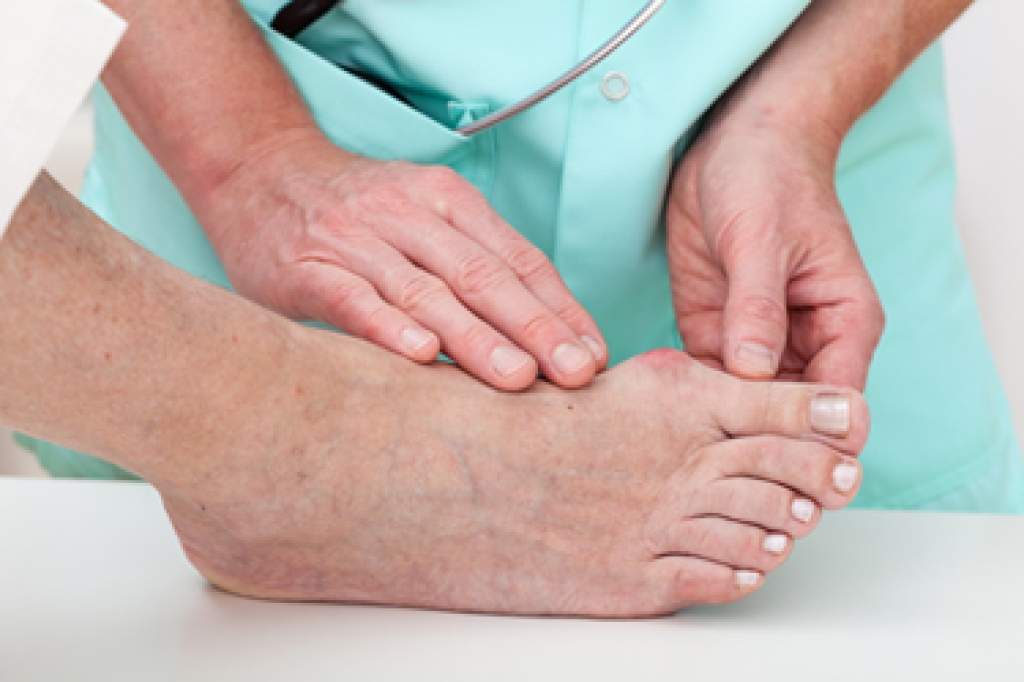
A bunion is a foot deformity that develops when the big toe shifts toward the lesser toes, creating a bony bump along the side of the foot. This alignment change increases stress on joints and soft tissue. A bunion often causes pain, swelling, stiffness, and trouble wearing shoes. It may worsen due to abnormal foot mechanics, inherited foot structure, or prolonged pressure on the forefoot. A podiatrist helps manage bunions by assessing foot alignment, gait, and deformity severity. Treatment options include shoe modifications, padding, orthotic devices, activity adjustments, and targeted therapies to reduce pressure and slow progression. In advanced cases, surgery may be needed to realign the joint and improve function. For help with managing pain caused by bunions, it is suggested that you make an appointment with a podiatrist for an exam, diagnosis, and treatment.

If you are suffering from bunion pain, contact Ahmad Elsamad, DPM of The Institute of Foot & Ankle Reconstructive Surgery . Our doctor can provide the care you need to keep you pain-free and on your feet.

What Is a Bunion?

Bunions are painful bony bumps that usually develop on the inside of the foot at the joint of the big toe. As the deformity increases over time, it may become painful to walk and wear shoes. Women are more likely to exacerbate existing bunions since they often wear tight, narrow shoes that shift their toes together. Bunion pain can be relieved by wearing wider shoes with enough room for the toes.

Causes

  • Genetics – some people inherit feet that are more prone to bunion development
  • Inflammatory Conditions - rheumatoid arthritis and polio may cause bunion development

Symptoms

  • Redness and inflammation
  • Pain and tenderness
  • Callus or corns on the bump
  • Restricted motion in the big toe

In order to diagnose your bunion, your podiatrist may ask about your medical history, symptoms, and general health. Your doctor might also order an x-ray to take a closer look at your feet. Nonsurgical treatment options include orthotics, padding, icing, changes in footwear, and medication. If nonsurgical treatments don’t alleviate your bunion pain, surgery may be necessary.

If you have any questions, please feel free to contact our offices located in Merrillville, and Munster, IN . We offer the newest diagnostic and treatment technologies for all your foot care needs.

Read more about Bunions

How Peripheral Artery Disease Affects the Feet

Peripheral artery disease, or PAD, occurs when narrowed arteries reduce blood flow to the legs and feet. This most often develops from plaque buildup along artery walls, which limits oxygen delivery to tissues. Poor circulation can cause symptoms such as leg cramping with walking, cold feet, slow growing toenails, or skin that appears thin and shiny. In more advanced cases, wounds may heal slowly or not at all. Risk factors include diabetes, smoking, high blood pressure, high cholesterol, and increasing age. Treatment focuses on improving circulation and reducing complications. This may involve lifestyle changes, medication, wound care, and close monitoring of foot health. Early detection is important because reduced blood flow increases the risk of infection and tissue damage. If you notice persistent leg pain, changes in foot skin, or slow healing sores, it is suggested that you see a podiatrist for a proper diagnosis and appropriate treatment.

Peripheral artery disease can pose a serious risk to your health. It can increase the risk of stroke and heart attack. If you have symptoms of peripheral artery disease, consult with Ahmad Elsamad, DPM from The Institute of Foot & Ankle Reconstructive Surgery . Our doctor will assess your condition and provide you with quality foot and ankle treatment.

Peripheral artery disease (PAD) is when arteries are constricted due to plaque (fatty deposits) build-up. This results in less blood flow to the legs and other extremities. The main cause of PAD is atherosclerosis, in which plaque builds up in the arteries.

Symptoms

Symptoms of PAD include:

  • Claudication (leg pain from walking)
  • Numbness in legs
  • Decrease in growth of leg hair and toenails
  • Paleness of the skin
  • Erectile dysfunction
  • Sores and wounds on legs and feet that won’t heal
  • Coldness in one leg

It is important to note that a majority of individuals never show any symptoms of PAD.

Diagnosis

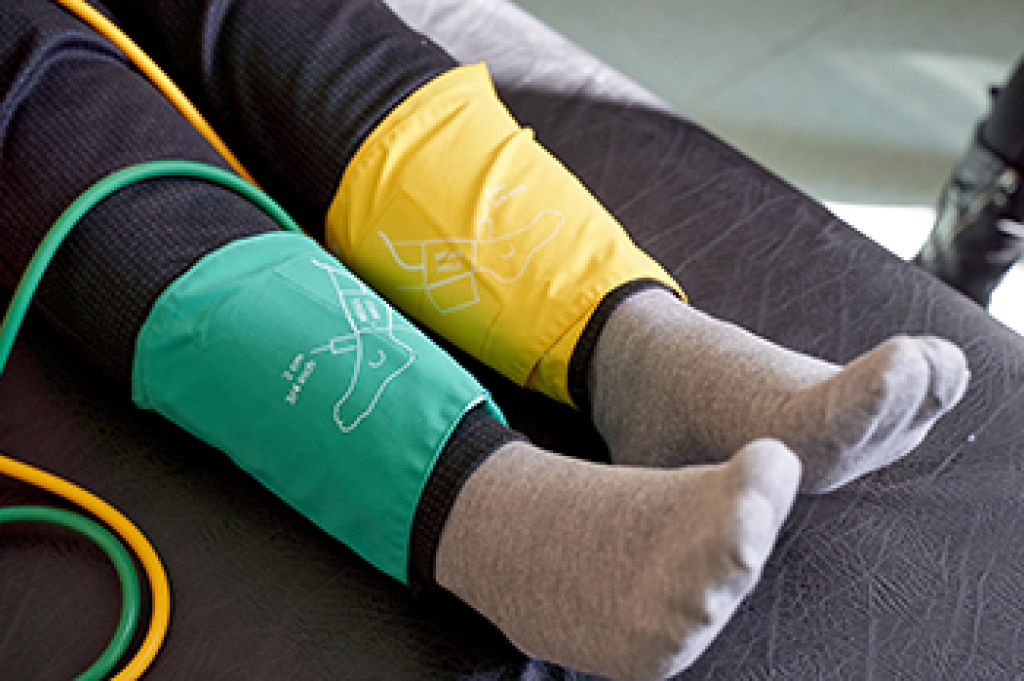
While PAD occurs in the legs and arteries, Podiatrists can diagnose PAD. Podiatrists utilize a test called an ankle-brachial index (ABI). An ABI test compares blood pressure in your arm to you ankle to see if any abnormality occurs. Ultrasound and imaging devices may also be used.

Treatment

Fortunately, lifestyle changes such as maintaining a healthy diet, exercising, managing cholesterol and blood sugar levels, and quitting smoking, can all treat PAD. Medications that prevent clots from occurring can be prescribed. Finally, in some cases, surgery may be recommended.

If you have any questions, please feel free to contact our offices located in Merrillville, and Munster, IN . We offer the newest diagnostic and treatment technologies for all your foot care needs.

Read more about Peripheral Artery Disease

Pickleball and Ankle Pain

Pickleball is a fast-paced sport that places repeated stress on the ankles through quick direction changes, sudden stops, and lateral movements. Hurt ankles often result from ligament strain, overuse, or improper foot positioning during play. Risk factors include inadequate warm-up, poor balance, uneven court surfaces, and wearing shoes without proper support or traction. Previous ankle injuries and weak stabilizing muscles can also increase the chance of pain or sprain. A podiatrist can assess ankle stability, identify biomechanical issues, recommend supportive footwear or custom orthotics, and create a treatment plan to reduce inflammation and promote healing. If ankle pain is limiting your pickleball performance or daily activity, it is suggested that you consult a podiatrist to restore strength, prevent future injury, and keep you confidently on the court.

Ankle pain can have many different causes and the pain may potentially be serious. If you have ankle pain, consult with Ahmad Elsamad, DPM from The Institute of Foot & Ankle Reconstructive Surgery . Our doctor will assess your condition and provide you with quality foot and ankle treatment.

Ankle pain is any condition that causes pain in the ankle. Due to the fact that the ankle consists of tendons, muscles, bones, and ligaments, ankle pain can come from a number of different conditions.

Causes

The most common causes of ankle pain include:

  • Types of arthritis (rheumatoid, osteoarthritis, and gout)
  • Ankle sprains
  • Broken ankles
  • Achilles tendinitis
  • Achilles tendon rupture
  • Stress fractures
  • Tarsal tunnel syndrome
  • Plantar fasciitis

Symptoms

Symptoms of ankle injury vary based upon the condition. Pain may include general pain and discomfort, swelling, aching, redness, bruising, burning or stabbing sensations, and/or loss of sensation.

Diagnosis

Due to the wide variety of potential causes of ankle pain, podiatrists will utilize a number of different methods to properly diagnose ankle pain. This can include asking for personal and family medical histories and of any recent injuries. Further diagnosis may include sensation tests, a physical examination, and potentially x-rays or other imaging tests.

Treatment

Just as the range of causes varies widely, so do treatments. Some more common treatments are rest, ice packs, keeping pressure off the foot, orthotics and braces, medication for inflammation and pain, and surgery.

If you have any questions please feel free to contact our offices located in Merrillville, and Munster, IN . We offer the newest diagnostic tools and technology to treat your foot and ankle needs.

Read more about Ankle Pain
Connect with us

our recent articles