Merrillville, IN
Munster, IN

Follow Us
Like Us

Blog

Diabetic Foot Ulcer Care

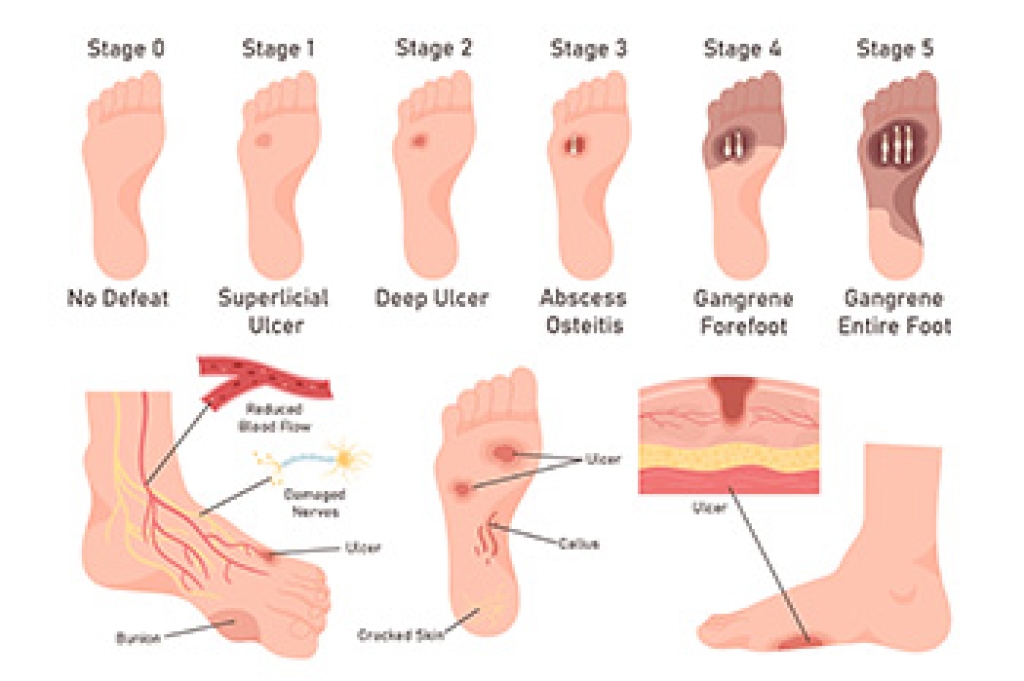
Proper care of a diabetic foot ulcer is essential to prevent infection and promote healing. Maintaining correct blood sugar levels supports overall health and reduces complications. Avoid walking barefoot to protect the ulcer from further injury or infection. Keeping pressure off the affected foot allows tissue to heal more effectively, while regularly changing bandages helps maintain a clean and protected environment. Additionally, monitoring for signs of infection, such as redness, swelling, or discharge, is crucial. A podiatrist can provide professional wound care, recommend appropriate footwear or orthotics, and develop a treatment plan to support healing. If you have diabetes and have developed a foot wound, it is strongly suggested that you are under the care of a podiatrist who can help you manage this serious condition. 

Wound care is an important part in dealing with diabetes. If you have diabetes and a foot wound or would like more information about wound care for diabetics, consult with Ahmad Elsamad, DPM from The Institute of Foot & Ankle Reconstructive Surgery . Our doctor will assess your condition and provide you with quality foot and ankle treatment.

What Is Wound Care?

Wound care is the practice of taking proper care of a wound. This can range from the smallest to the largest of wounds. While everyone can benefit from proper wound care, it is much more important for diabetics. Diabetics often suffer from poor blood circulation which causes wounds to heal much slower than they would in a non-diabetic. 

What Is the Importance of Wound Care?

While it may not seem apparent with small ulcers on the foot, for diabetics, any size ulcer can become infected. Diabetics often also suffer from neuropathy, or nerve loss. This means they might not even feel when they have an ulcer on their foot. If the wound becomes severely infected, amputation may be necessary. Therefore, it is of the upmost importance to properly care for any and all foot wounds.

How to Care for Wounds

The best way to care for foot wounds is to prevent them. For diabetics, this means daily inspections of the feet for any signs of abnormalities or ulcers. It is also recommended to see a podiatrist several times a year for a foot inspection. If you do have an ulcer, run the wound under water to clear dirt from the wound; then apply antibiotic ointment to the wound and cover with a bandage. Bandages should be changed daily and keeping pressure off the wound is smart. It is advised to see a podiatrist, who can keep an eye on it.

If you have any questions please contact our offices located in Merrillville, and Munster, IN . We offer the newest diagnostic and treatment technologies for all your foot and ankle needs.


Read more about Wound Care

Children and Walking Barefoot

When babies are born, the bones in their feet are not fully formed. They will become solid as the aging process occurs, and it is beneficial to refrain from wearing shoes at this time. When children walk barefoot, their overall foot may become stronger as the toes grasp the floor. When it is time for the first pair of shoes to be purchased, it is important to choose shoes that fit properly. It is suggested that the shoes are made with fully adjustable fastenings, the toe area is naturally shaped, and the shoes are constructed from breathable materials. If you would like more information about children’s foot health, it is advised that you consult with a podiatrist.

The health of a child’s feet is vital to their overall well-being. If you have any questions regarding foot health, contact Ahmad Elsamad, DPM of The Institute of Foot & Ankle Reconstructive Surgery . Our doctor can provide the care you need to keep you pain-free and on your feet.

Tips for Keeping Children's Feet Healthy

  • Make sure their shoes fit properly
  • Look for any signs of in-toeing or out-toeing
  • Check to see if they have Clubfoot (condition that affects your child’s foot and ankle, twisting the heel and toes inward) which is one of the most common nonmajor birth defects.
  • Lightly cover your baby’s feet (Tight covers may keep your baby from moving their feet freely, and could prevent normal development)
  • Allow your toddler to go shoeless (Shoes can be restricting for a young child’s foot)
  • Cut toenails straight across to avoid ingrown toenails
  • Keep your child’s foot clean and dry
  • Cover cuts and scrapes. Wash any scratches with soap and water and cover them with a bandage until they’ve healed.

If you have any questions, please feel free to contact our offices located in Merrillville, and Munster, IN . We offer the newest diagnostic and treatment technologies for all your foot care needs.

Read more about What to Do to Keep Your Child’s Feet Healthy

Simple Moves to Support Calf and Ankle Health

Calf and ankle problems can limit mobility and increase the risk of injury, but targeted exercises may help strengthen and stretch these areas. Two effective options are calf raises and ankle circles. Calf raises build strength in the lower leg. To do them, stand with your feet shoulder-width apart and slowly rise onto the balls of your feet, lifting your heels off the ground. Hold for a moment, then lower back down, and repeat 10 to 15 times. This move strengthens the calf muscles and supports ankle stability. Ankle circles improve flexibility and circulation. Sit or lie down with one leg extended. Slowly rotate your foot in a circular motion, making full, smooth circles. Complete 10 rotations in one direction, then switch. This helps keep the ankle joint mobile and reduces stiffness. If you are experiencing ongoing pain or weakness in your calves or ankles, it is suggested that you see a podiatrist for a proper diagnosis and appropriate treatment.

Ankle pain can be caused by a number of problems and may be potentially serious. If you have ankle pain, consult with Ahmad Elsamad, DPM from The Institute of Foot & Ankle Reconstructive Surgery . Our doctor will assess your condition and provide you with quality foot and ankle treatment.

Ankle pain is any condition that causes pain in the ankle. Due to the fact that the ankle consists of tendons, muscles, bones, and ligaments, ankle pain can come from a number of different conditions.

Causes

The most common causes of ankle pain include:

  • Types of arthritis (rheumatoid, osteoarthritis, and gout)
  • Ankle sprains
  • Broken ankles
  • Achilles tendonitis
  • Achilles tendon rupture
  • Stress fractures
  • Bursitis
  • Tarsal tunnel syndrome
  • Plantar fasciitis

Symptoms

Symptoms of ankle injury vary based upon the condition. Pain may include general pain and discomfort, swelling, aching, redness, bruising, burning or stabbing sensations, and/or loss of sensation.

Diagnosis

Due to the wide variety of potential causes of ankle pain, podiatrists will utilize a number of different methods to properly diagnose ankle pain. This can include asking for personal and family medical histories and of any recent injuries. Further diagnosis may include sensation tests, a physical examination, and potentially x-rays or other imaging tests.

Treatment

Just as the range of causes varies widely, so do treatments. Some more common treatments are rest, ice packs, keeping pressure off the foot, orthotics and braces, medication for inflammation and pain, and surgery.

If you have any questions please feel free to contact our offices located in Merrillville, and Munster, IN . We offer the newest diagnostic tools and technology to treat your foot and ankle needs.

Read more about Various Causes of Ankle Pain

Hallux Valgus Explained

Hallux valgus, commonly known as a bunion, is a deformity where the tip of the big toe shifts inward toward the other toes, causing a bony bump to develop at the base of the toe. Bunions can form from genetics, wearing tight or narrow shoes, flat feet, or arthritis. Symptoms often include pain, swelling, redness, and difficulty wearing shoes comfortably. Risk factors include family history, high-heeled footwear, and foot shape abnormalities. A podiatrist can help by providing customized footwear advice, orthotics, padding, and, in severe cases, surgical options to correct the deformity and restore comfort. If you have bunion pain or notice changes in your feet, it is suggested that you schedule a visit with a podiatrist who can offer effective relief and treatment solutions.

If you are suffering from bunions, contact Ahmad Elsamad, DPM of The Institute of Foot & Ankle Reconstructive Surgery . Our doctor can provide the care you need to keep you pain-free and on your feet.

What Is a Bunion?

A bunion is formed of swollen tissue or an enlargement of boney growth, usually located at the base joint of the toe that connects to the foot. The swelling occurs due to the bones in the big toe shifting inward, which impacts the other toes of the foot. This causes the area around the base of the big toe to become inflamed and painful.

Why Do Bunions Form?

Genetics – Susceptibility to bunions are often hereditary

Stress on the feet – Poorly fitted and uncomfortable footwear that places stress on feet, such as heels, can worsen existing bunions

How Are Bunions Diagnosed?

Podiatrists often perform two tests – blood tests and x-rays – when trying to diagnose bunions, especially in the early stages of development. Blood tests help determine if the foot pain is being caused by something else, such as arthritis, while x-rays provide a clear picture of your bone structure to your provider.

How Are Bunions Treated?

  • Refrain from wearing heels or similar shoes that cause discomfort
  • Select wider shoes that can provide more comfort and reduce pain
  • Anti-inflammatory and pain management drugs
  • Orthotics or foot inserts
  • Surgery

If you have any questions, please feel free to contact our offices located in Merrillville, and Munster, IN . We offer the newest diagnostic and treatment technologies for all your foot care needs.

Read more about What Are Bunions?

Understanding Fungal Nail Infections

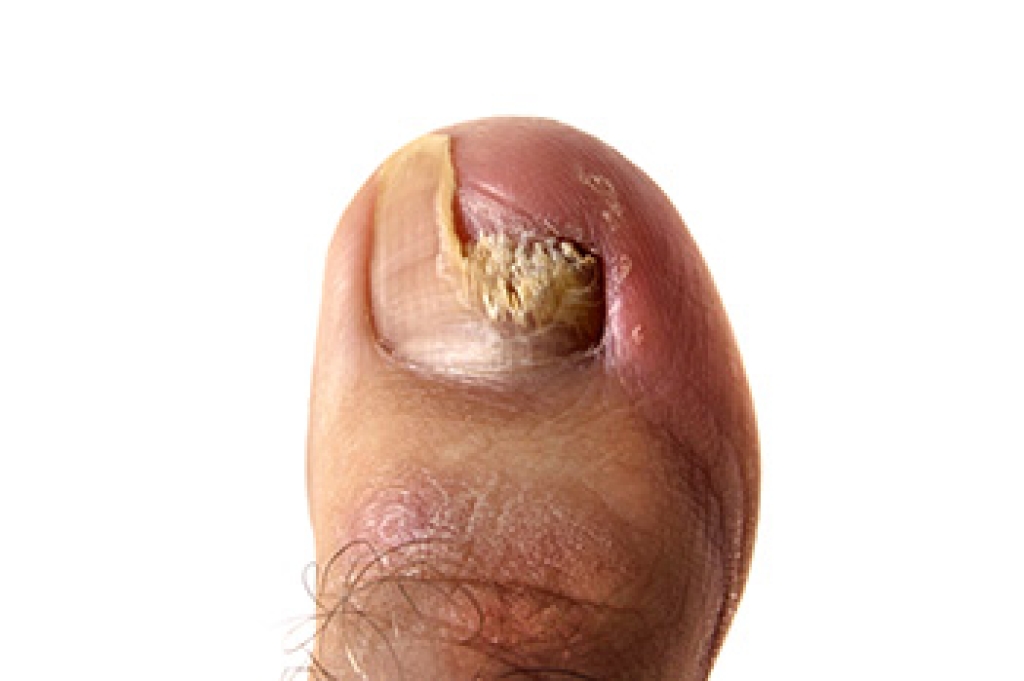
Fungal nail infections are a common condition that can affect one or more toenails. These infections often begin as a small white or yellow spot under the nail and gradually spread. Over time, the nail may become thickened, discolored, brittle, or distorted in shape. Some individuals experience pain or discomfort, especially when wearing shoes or walking. These nail infections are caused by fungi that thrive in warm, moist environments, such as locker rooms, swimming pools, or sweaty shoes. Risk factors include poor foot hygiene, diabetes, a weakened immune system, or previous nail trauma. A podiatrist plays a key role in diagnosing and treating fungal nail infections. Diagnosis may involve examining the nail and taking a sample for lab testing. Treatment options include topical or oral antifungal medications, or in some cases, nail removal. If you suspect a fungal nail infection, it is suggested that you make an appointment with a podiatrist to receive professional care and effective treatment.

If left untreated, toenail fungus may spread to other toenails, skin, or even fingernails. If you suspect you have toenail fungus it is important to seek treatment right away. For more information about treatment, contact Ahmad Elsamad, DPM of The Institute of Foot & Ankle Reconstructive Surgery . Our doctor can provide the care you need to keep you pain-free and on your feet.

Symptoms

  • Warped or oddly shaped nails
  • Yellowish nails
  • Loose/separated nail
  • Buildup of bits and pieces of nail fragments under the nail
  • Brittle, broken, thickened nail

Treatment

If self-care strategies and over-the-counter medications does not help your fungus, your podiatrist may give you a prescription drug instead. Even if you find relief from your toenail fungus symptoms, you may experience a repeat infection in the future.

Prevention

In order to prevent getting toenail fungus in the future, you should always make sure to wash your feet with soap and water. After washing, it is important to dry your feet thoroughly especially in between the toes. When trimming your toenails, be sure to trim straight across instead of in a rounded shape. It is crucial not to cover up discolored nails with nail polish because that will prevent your nail from being able to “breathe”.

In some cases, surgical procedure may be needed to remove the toenail fungus. Consult with your podiatrist about the best treatment options for your case of toenail fungus.  

If you have any questions please contact our offices located in Merrillville, and Munster, IN . We offer the newest diagnostic and treatment technologies for all your foot and ankle needs.

Read more about How to Treat Your Toenail Fungus
Connect with us

our recent articles