Merrillville, IN
Munster, IN

Follow Us
Like Us

Blog

What Causes Chronic Ankle Instability?

Chronic ankle instability develops when the outer side of the ankle repeatedly gives way, often following previous sprains that did not fully heal. Over time, weakened ligaments and poor joint support can lead to ongoing problems. Common causes include repeated ankle injuries, improper rehabilitation, and footwear that lacks support. Risk factors include high impact activities, uneven surfaces, and poor balance. Symptoms include frequent turning of the ankle, persistent discomfort, swelling, and a feeling of unsteadiness during movement. A podiatrist can evaluate ligament strength, assess gait, and provide treatment such as bracing, custom orthotics, and strengthening exercises. Early intervention can restore stability and prevent further injury. If you have ankle instability or pain, it is suggested that you promptly consult a podiatrist who can offer effective relief and treatment solutions.

Ankle pain can be caused by a number of problems and may be potentially serious. If you have ankle pain, consult with Ahmad Elsamad, DPM from The Institute of Foot & Ankle Reconstructive Surgery . Our doctor will assess your condition and provide you with quality foot and ankle treatment.

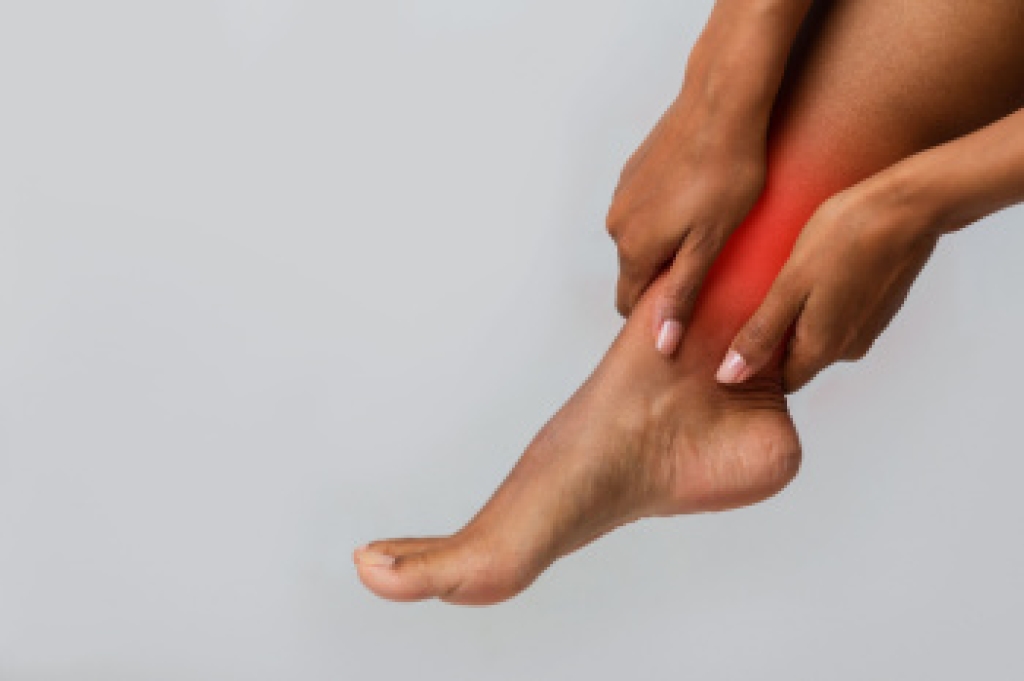
Ankle pain is any condition that causes pain in the ankle. Due to the fact that the ankle consists of tendons, muscles, bones, and ligaments, ankle pain can come from a number of different conditions.

Causes

The most common causes of ankle pain include:

  • Types of arthritis (rheumatoid, osteoarthritis, and gout)
  • Ankle sprains
  • Broken ankles
  • Achilles tendonitis
  • Achilles tendon rupture
  • Stress fractures
  • Bursitis
  • Tarsal tunnel syndrome
  • Plantar fasciitis

Symptoms

Symptoms of ankle injury vary based upon the condition. Pain may include general pain and discomfort, swelling, aching, redness, bruising, burning or stabbing sensations, and/or loss of sensation.

Diagnosis

Due to the wide variety of potential causes of ankle pain, podiatrists will utilize a number of different methods to properly diagnose ankle pain. This can include asking for personal and family medical histories and of any recent injuries. Further diagnosis may include sensation tests, a physical examination, and potentially x-rays or other imaging tests.

Treatment

Just as the range of causes varies widely, so do treatments. Some more common treatments are rest, ice packs, keeping pressure off the foot, orthotics and braces, medication for inflammation and pain, and surgery.

If you have any questions please feel free to contact our offices located in Merrillville, and Munster, IN . We offer the newest diagnostic tools and technology to treat your foot and ankle needs.


Read more about Ankle Pain

Simple Spring Foot Care Tips

Taking care of your feet during spring and summer is important to keep them healthy, comfortable, and looking their best. Warm weather and increased activity can lead to dryness, calluses, and irritation. Regular foot soaks can help soften the skin and relax tired feet. Using a foot scrub can remove buildup and keep skin smooth. Applying moisturizer daily helps prevent dryness and cracking. Proper nail trimming supports healthy nail growth and reduces the risk of ingrown nails. Wearing breathable footwear can also help maintain overall foot health. A podiatrist can help by addressing concerns, providing professional care, and recommending personalized treatments. If you have concerning foot conditions, it is suggested that you consult a podiatrist who can offer effective treatment solutions, and guide you on additional everyday foot care tips.

Everyday foot care is very important to prevent infection and other foot ailments. If you need your feet checked, contact Ahmad Elsamad, DPM from The Institute of Foot & Ankle Reconstructive Surgery . Our doctor can provide the care you need to keep you pain-free and on your feet.

Everyday Foot Care

Often, people take care of their bodies, face and hair more so than they do for their feet. But the feet are a very important aspect of our bodies, and one that we should pay more attention to. Without our feet, we would not be able to perform most daily tasks.

It is best to check your feet regularly to make sure there are no new bruises or cuts that you may not have noticed before. For dry feet, moisturizer can easily be a remedy and can be applied as often as necessary to the affected areas. Wearing shoes that fit well can also help you maintain good foot health, as well as making it easier to walk and do daily activities without the stress or pain of ill-fitting shoes, high heels, or even flip flops. Wearing clean socks with closed shoes is important to ensure that sweat and bacteria do not accumulate within the shoe. Clean socks help to prevent Athlete’s foot, fungi problems, bad odors, and can absorb sweat.

If you have any questions, please feel free to contact our offices located in Merrillville, and Munster, IN . We offer the newest diagnostic and treatment technologies for all your foot care needs.

Read more about Everyday Foot Care

Choosing the Right Footwear for Soccer Performance

Footwear for soccer players plays a critical role in performance, comfort, and injury prevention. Comfort ensures that the shoe supports natural foot movement and allows athletes to perform without distraction. Proprioception, or the ability to sense movement and position, is influenced by how well the shoe fits and interacts with the foot. Shoe mechanical characteristics such as flexibility, traction, and stability must match the demands of the sport and the type of field surfaces. Cleats are designed to provide grip and control, but poor design or improper fit can increase the risk of injury. A podiatrist can help evaluate foot structure and recommend appropriate footwear. If you have sustained a foot injury and want to improve performance and protect your feet, it is suggested that you consult a podiatrist who can offer relief solutions and guide you toward the right soccer footwear for your needs.

Finding a properly-fitting shoe is important in reducing injuries and preventing foot problems. For more information about treatment, contact Ahmad Elsamad, DPM from The Institute of Foot & Ankle Reconstructive Surgery . Our doctor will treat your foot and ankle needs.

Proper Shoe Fitting

A common concern when it comes to foot health, having properly fitted shoes can help prevent injuries to the foot. Out feet affect our posture and gait, which in turn affects the biomechanics and overall bodily structure. With 33 joints, 26 bones, and over 100 ligaments, the potential for serious injury is much greater than one realizes. Although the feet cease growth in adulthood, they still change shape as they mature. Here are some factors to consider when it comes to investing in proper fitting shoes:

  • Be sure the shoes fit correctly right away
  • Ensure the ball of your foot fits comfortably in the widest portion of the shoes
  • Even though they may look fashionable, improper fitting shoes can either create adverse conditions or exacerbate existing ones you may already have
  • Walk along a carpeted surface to ensure the shoes comfortably fit during normal activity

Keeping in mind how shoes fit the biomechanics of your body, properly-fitting shoes are vitally important. Fortunately, it is not difficult to acquire footwear that fits correctly. Be sure to wear shoes that support the overall structure of your body. Do your feet a favor and invest in several pairs of well-fitted shoes today.

If you have any questions, please feel free to contact our offices located in Merrillville, and Munster, IN . We offer the newest diagnostic and treatment technologies for all your foot care needs.

Read more about How to Get a Proper Shoe Fit

When Feet and Ankles Begin to Swell

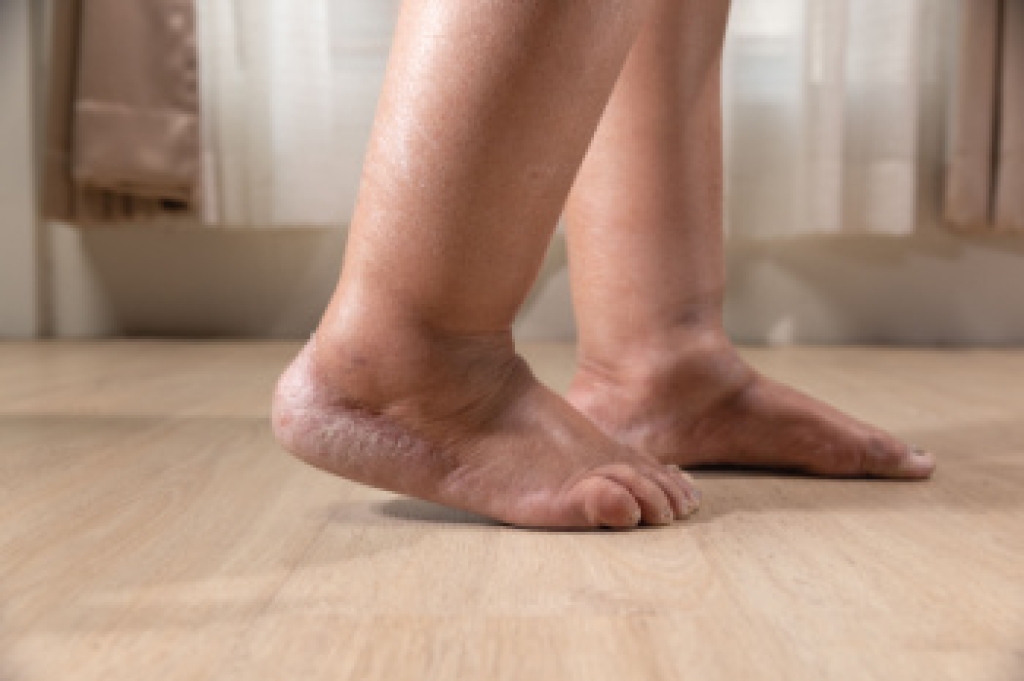
Swelling of the feet, also known as edema, can develop gradually or suddenly and may affect one or both feet. The skin may appear stretched, shiny, or puffy, and pressing on the area can leave a temporary indentation. Some people notice tightness, discomfort, or a heavy sensation that worsens throughout the day, especially after long periods of standing or sitting. Common causes include fluid retention, injury, poor circulation, certain medication, or underlying conditions like heart, kidney, or vein issues. Heat and prolonged inactivity can also contribute to swelling. A podiatrist can evaluate the pattern and severity of swelling and may recommend further testing if a systemic cause is suspected. Treatment often includes supportive footwear, compression, elevation, and targeted exercises to improve circulation. Early evaluation helps identify the cause and prevent complications. If you have persistent swelling of the feet, it is suggested that you make an appointment with a podiatrist.

Swollen feet can be a sign of an underlying condition. If you have any concerns, contact Ahmad Elsamad, DPM of The Institute of Foot & Ankle Reconstructive Surgery . Our doctor can provide the care you need to keep you pain-free and on your feet.

Swollen feet are a common ailment among pregnant women and people who stand or sit for extended periods. Aging may increase the possibility of swollen feet and patients who are obese often notice when their feet are swelling too. There may be medical reasons why swollen feet occur:

  • Phlebitis - A condition that causes the veins to become inflamed and can also cause leg pain.
  • Liver disease - This may lead to low blood levels of albumin which is a protein. This can cause fluid in the blood to pass into the tissues and several areas of the body can become swollen.
  • Heart failure - When the heart doesn’t pump properly the blood that is normally pumped back to the heart can pool in the veins of the legs causing swollen feet.
  • Kidney disease - One of the main functions of the kidneys is releasing excess fluid in the body. This type of condition can make it difficult for the kidneys to function properly, and as a result the feet may become swollen.
  • Deep-vein thrombosis (DVT)- This is a serious condition where blood clots form in the veins of the legs. They can block the return of blood from the legs to the heart which may cause the feet to swell. It is important to be treated by a podiatrist if this condition is present.

Swollen feet can also be caused by bone and tendon conditions, including fractures, arthritis, and tendinitis. Additionally, there may be skin and toenail conditions and an infection may cause the feet to swell. Patients who take medicine to treat high blood pressure may be prone to getting swollen feet. 

Many patients elevate their feet to help relieve the swelling and this is generally a temporary remedy. When a podiatrist is consulted the reason behind the swelling can be uncovered and subsequently treated.

If you have any questions please contact our offices located in Merrillville, and Munster, IN . We offer the newest diagnostic and treatment technologies for all your foot and ankle needs.

Read more about Swelling of the Feet

It's Time for Beautiful Feet

You don't need an excuse to have beautiful nails. Step outside without worrying about the appearance of your feet.

Connect with us

our recent articles