
If left untreated, an ingrown toenail can lead to more serious concerns, such as an infection. Knowing proper nail care can help in the prevention of an ingrown toenail. Give us a call, and get treated!


If left untreated, an ingrown toenail can lead to more serious concerns, such as an infection. Knowing proper nail care can help in the prevention of an ingrown toenail. Give us a call, and get treated!
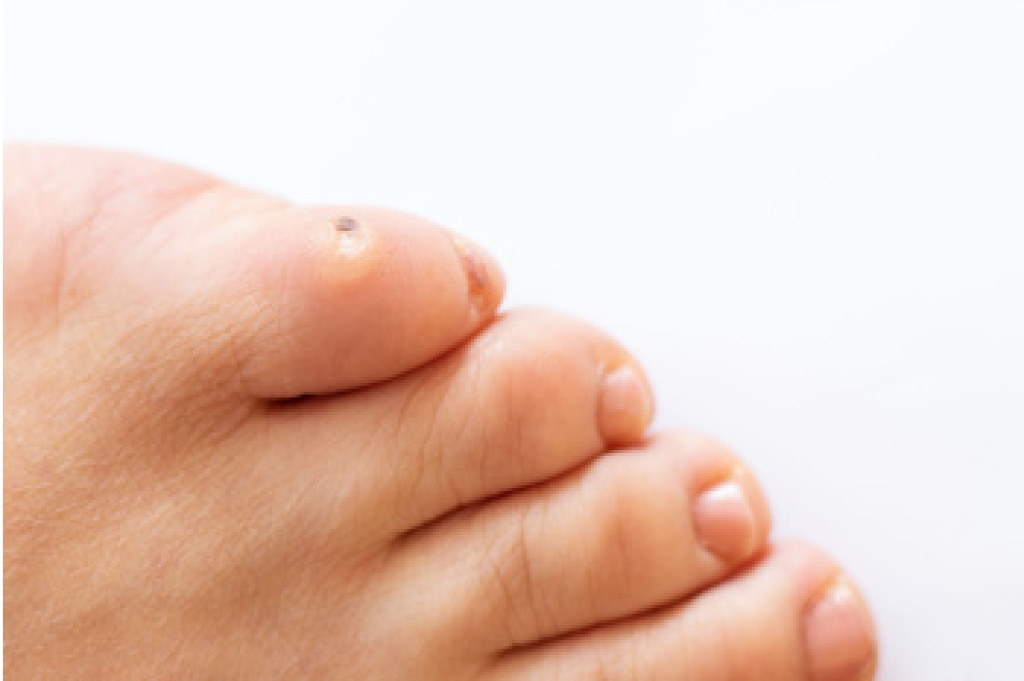
Foot corns are small, thickened areas of skin that develop as a protective response to repeated pressure and friction. These hardened patches typically form on the top and sides of toes or on weight-bearing areas of the feet. Corns differ from calluses in that they are more localized and often have a dense central core. This condition can become painful over time, especially when pressure continues without relief. Understanding how corns form helps individuals take steps to prevent irritation and maintain overall foot comfort.
Several causes contribute to the development of foot corns. Repeated rubbing from wearing tight or poorly fitting shoes is one of the most common factors. Footwear that compresses the toes increases friction and encourages thick skin buildup. Not wearing socks can worsen the issue by allowing direct contact between the skin and shoe material. Structural issues such as toe deformities may also increase pressure in certain areas. Eventually, these repeated stress points lead to the formation of hard or soft corns depending on their location.
Symptoms of foot corns often include a raised, hardened area of skin that may feel rough or thick to the touch. Hard corns typically develop on the tops of toes, while soft corns may form between toes where moisture is present. Pain or tenderness is common, especially while walking or wearing shoes. Some individuals experience redness and irritation surrounding the affected area. If pressure continues, discomfort may increase and interfere with daily movement.
Risk factors include wearing ill-fitting shoes, walking without socks, prolonged standing, and foot structure that creates uneven pressure points. Individuals with active lifestyles or occupations that require long hours on their feet may be more prone to this condition. Managing corns involves reducing friction, wearing properly fitted footwear, and protecting sensitive areas. Early care can prevent worsening symptoms and improve comfort. Corns can be painful. If you have foot corns, it is suggested that you consult a podiatrist for effective relief and treatment solutions.
Corns can make walking very painful and should be treated immediately. If you have questions regarding your feet and ankles, contact Ahmad Elsamad, DPM of The Institute of Foot & Ankle Reconstructive Surgery . Our doctor will treat your foot and ankle needs.
Corns: What Are They? And How Do You Get Rid of Them?
Corns are thickened areas on the skin that can become painful. They are caused by excessive pressure and friction on the skin. Corns press into the deeper layers of the skin and are usually round in shape.
Ways to Prevent Corns
There are many ways to get rid of painful corns such as:
Treating Corns
Although most corns slowly disappear when the friction or pressure stops, this isn’t always the case. Consult with your podiatrist to determine the best treatment option for your case of corns.
If you have any questions, please feel free to contact our offices located in Merrillville, and Munster, IN . We offer the newest diagnostic and treatment technologies for all your foot care needs.
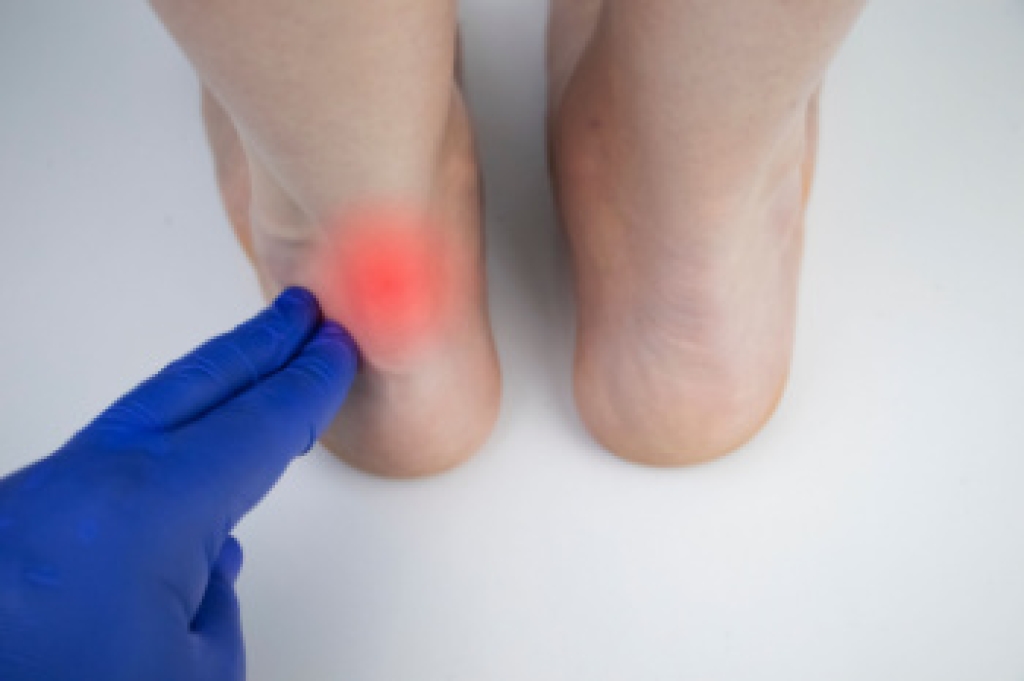
The Achilles tendon is the largest and strongest tendon in the human body, connecting the calf muscles to the heel bone. It plays a vital role in walking, running, and jumping. Acute Achilles tendon conditions develop suddenly, often due to a specific injury or overload, while chronic conditions develop gradually over time due to repeated stress. Achilles tendonitis and tendinosis are common chronic issues that result from micro-tears and degeneration within the tendon. These conditions are frequently seen in active individuals and those who spend long hours on their feet.
Symptoms of Achilles tendon problems may include pain along the back of the heel, stiffness in the morning, swelling, and difficulty with movement. Acute injuries often present with sudden sharp pain, while chronic conditions tend to cause a dull ache that worsens with activity. In more advanced cases, thickening of the tendon or reduced flexibility may occur. Recognizing these symptoms early can help prevent worsening damage and improve recovery outcomes.
Several risk factors contribute to Achilles tendon injuries. These include tight calf muscles, wearing poor footwear, and flat feet or high arches. Sudden increases in physical activity and improper training techniques may also contribute to the problem. Age also plays a role, as the tendon becomes less flexible over time. Occupations that require prolonged standing or repetitive movement can increase strain on the tendon and lead to chronic irritation.
Proper treatment depends on the severity and duration of the condition. Rest, stretching, and supportive footwear can reduce stress on the tendon and promote healing. Early intervention is essential in preventing long term complications. If you have consistent pain or stiffness in the back of your heel, it is suggested that you consult a podiatrist for an accurate diagnosis and appropriate treatment.
Achilles tendon injuries need immediate attention to avoid future complications. If you have any concerns, contact Ahmad Elsamad, DPM of The Institute of Foot & Ankle Reconstructive Surgery . Our doctor can provide the care you need to keep you pain-free and on your feet.
What Is the Achilles Tendon?
The Achilles tendon is a tendon that connects the lower leg muscles and calf to the heel of the foot. It is the strongest tendon in the human body and is essential for making movement possible. Because this tendon is such an integral part of the body, any injuries to it can create immense difficulties and should immediately be presented to a doctor.
What Are the Symptoms of an Achilles Tendon Injury?
There are various types of injuries that can affect the Achilles tendon. The two most common injuries are Achilles tendinitis and ruptures of the tendon.
Achilles Tendinitis Symptoms
Rupture Symptoms
Treatment and Prevention
Achilles tendon injuries are diagnosed by a thorough physical evaluation, which can include an MRI. Treatment involves rest, physical therapy, and in some cases, surgery. However, various preventative measures can be taken to avoid these injuries, such as:
If you have any questions please feel free to contact our offices located in Merrillville, and Munster, IN . We offer the newest diagnostic tools and technology to treat your foot and ankle needs.

The feet carry the body's weight with every step. For that reason, extra weight can place added stress on the bones, joints, and soft tissues. This increased pressure may change the way the feet function and lead to ongoing discomfort. People living with obesity are more likely to experience foot pain, heel pain, and problems with balance or walking. They may also have a greater risk of developing conditions like plantar fasciitis, flat feet, or arthritis in the foot and ankle. These changes can make everyday activities more difficult and may reduce overall mobility. As discomfort increases, staying active often becomes more challenging, which can further affect foot health and quality of life.
A podiatrist can evaluate how extra weight is affecting the feet and identify problems before they become more severe. During an examination, the podiatrist assesses foot alignment, joint movement, and areas of increased pressure. They also look for signs of skin damage, joint changes, or tendon strain that may contribute to pain. Treatment is based on each person's needs and may include custom orthotics, supportive footwear recommendations, or other medical treatments to improve comfort and reduce stress on the feet. Regular podiatry visits also help monitor changes over time and support better foot function.
Professional foot care can play an important role in improving comfort and protecting long-term mobility. Early treatment may help reduce pain, improve walking, and prevent foot problems from becoming more serious. A podiatrist works to address the underlying cause of discomfort while helping patients maintain healthy foot function. Professional foot pain treatment and podiatry care can also support people with obesity as they work toward their overall health goals. If obesity is causing foot pain or affecting your mobility, it is suggested that you consult a podiatrist for an evaluation.
Obesity has become very problematic at this point in time and can have extremely negative effects on the feet. If you’re an obese individual and are concerned about your feet, contact Ahmad Elsamad, DPM from The Institute of Foot & Ankle Reconstructive Surgery . Our doctor can provide the care you need to keep you pain-free and on your feet.
Obesity and Your Feet
Since your feet are what support your entire weight when standing, any additional weight can result in pain and swelling. Being overweight is one of the main contributors to foot complications.
Problems & Complications
Extra Weight – Even putting on just a few extra pounds could create serious complications for your feet. As your weight increases, your balance and body will shift, creating new stresses on your feet. This uneven weight distribution can cause pain, even while doing the simplest tasks, such as walking.
Diabetes – People who are overweight are at serious risk of developing type-2 diabetes, which has a drastic impact on the health of your feet. As you get older, your diabetes might worsen, which could lead to loss of feeling in your feet, sores, and bruises. You could also become more prone to various infections.
Plantar fasciitis – Pressure and stress that is placed on muscles, joints, and tendons can trigger plantar fasciitis, which is an inflammation of tissue that forms along the bottom of the foot.
If you have any questions, please feel free to contact our offices located in Merrillville, and Munster, IN . We offer the newest diagnostic and treatment technologies for all your foot care needs.
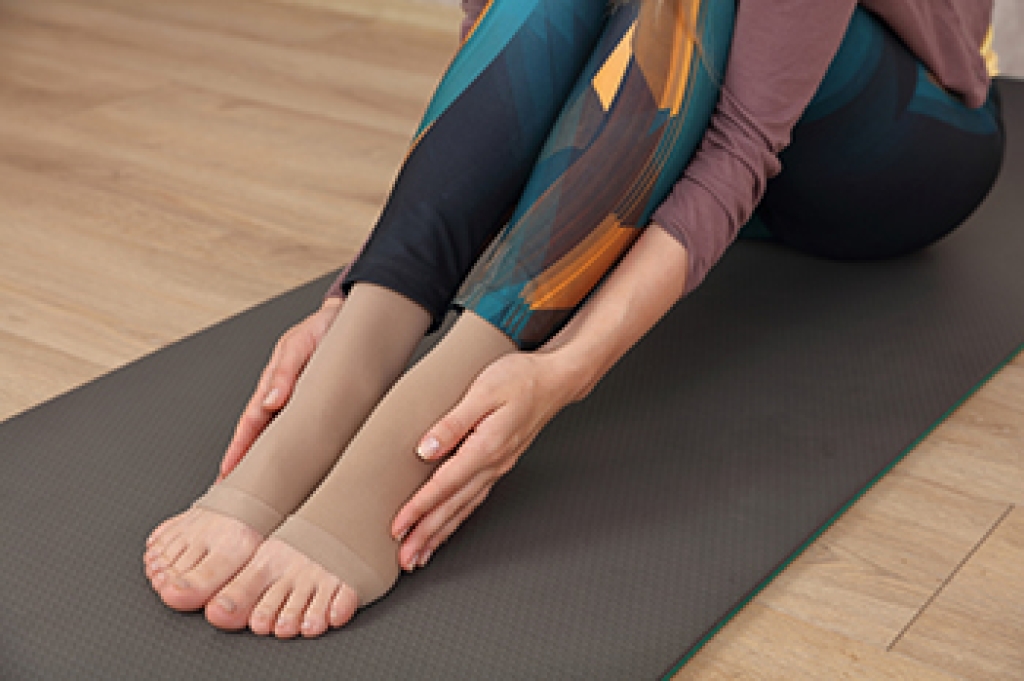
Poor circulation in the feet occurs when blood does not flow as well as it should to the lower legs and feet. Healthy blood flow is important because it delivers oxygen and nutrients that help keep tissues healthy. When circulation is reduced, the feet may not function as well or heal as quickly after an injury. Common symptoms include cold feet, numbness, and changes in skin color. Some people also notice cramping while walking or wounds that heal slowly. Poor circulation may be linked to conditions like peripheral artery disease, diabetes, or other problems that affect the blood vessels. Because these symptoms can signal an underlying medical condition, they should not be ignored. Early evaluation is important to help identify the cause and reduce the risk of more serious complications.
A podiatrist can examine your feet and evaluate how poor circulation may be affecting your overall foot health. During the examination, they assess skin condition, circulation, and sensation while looking for signs of tissue damage or delayed healing. They may also identify problems like ulcers or infections that can develop when blood flow is reduced. If an underlying circulation problem is suspected, a podiatrist may work closely with your primary healthcare provider or another specialist to support your care. Treatment focuses on protecting the feet, managing complications, and helping preserve healthy tissue whenever possible.
Professional foot care is especially important for people with poor circulation because even minor foot problems may become more serious over time. Regular podiatry visits allow changes in the feet to be identified before they lead to more severe complications. Professional care can also help improve comfort, protect mobility, and support long-term foot health. Whether symptoms develop gradually or appear suddenly, early evaluation can make an important difference. If you have cold feet, numbness, or slow-healing wounds, it is suggested that you consult a podiatrist for an evaluation.
Poor circulation is a serious condition and needs immediate medical attention. If you have any concerns with poor circulation in your feet contact Ahmad Elsamad, DPM of The Institute of Foot & Ankle Reconstructive Surgery . Our doctor will treat your foot and ankle needs.
Poor Circulation in the Feet
Poor blood circulation in the feet and legs is can be caused by peripheral artery disease (PAD), which is the result of a buildup of plaque in the arteries.
Plaque buildup or atherosclerosis results from excess calcium and cholesterol in the bloodstream. This can restrict the amount of blood which can flow through the arteries. Poor blood circulation in the feet and legs are sometimes caused by inflammation in the blood vessels, known as vasculitis.
Causes
Lack of oxygen and oxygen from poor blood circulation restricts muscle growth and development. It can also cause:
Those who have diabetes or smoke are at greatest risk for poor circulation, as are those who are over 50. If you have poor circulation in the feet and legs it may be caused by PAD and is important to make changes to your lifestyle in order to reduce risk of getting a heart attack or stroke. Exercise and maintaining a healthy lifestyle will dramatically improve conditions.
As always, see a podiatrist as he or she will assist in finding a regimen that suits you. A podiatrist can also prescribe you any needed medication.
If you have any questions, please feel free to contact our offices located in Merrillville, and Munster, IN . We offer the newest diagnostic and treatment technologies for all your foot care needs.