Gout is a painful, inflammatory form of arthritis. Those affected will typically feel an intense stiffness in the joints of their feet, particularly in the big toe. Schedule a visit to learn about how gout can be managed and treated.


Gout is a painful, inflammatory form of arthritis. Those affected will typically feel an intense stiffness in the joints of their feet, particularly in the big toe. Schedule a visit to learn about how gout can be managed and treated.

Healthy feet support balance, movement, and everyday comfort. Simple foot exercises can help prevent foot or ankle pain while building strength and improving flexibility. They can also increase range of motion, which means how freely a joint moves. One useful exercise combines a toe raise, point, and curl. Sit with both feet flat on the floor and slowly raise your heels. Lower them, then point and gently curl your toes. These movements work different parts of the feet and toes. Move slowly, stay in control, and stop if you feel sharp pain.
Big-toe stretches and toe splays can improve movement and control. To stretch the big toe, rest one foot across the opposite thigh and gently move the toe in different directions. For toe splays, place your feet flat on the floor and spread your toes without straining. An Achilles stretch can support the heel and ankle. The Achilles tendon is the strong band that connects the calf muscles to the heel. To stretch it, face a wall with one foot behind you. Keep both heels down and lean forward until you feel a gentle stretch in the calf and heel. Each exercise should feel comfortable and steady.
Sand walking provides another way to strengthen the feet and calves. The uneven surface challenges foot muscles. Choose a clean, safe area, and check the sand for sharp objects before removing your shoes. Foot exercises should never cause new or increasing pain. A podiatrist can examine pain, weakness, or limited movement and determine what is causing the problem. This foot doctor can recommend exercises that match your foot structure, activity level, and symptoms. A podiatrist can also study your walking pattern and suggest shoes that provide proper support. If you have foot or ankle pain, it is suggested that you schedule an appointment with a podiatrist for a diagnosis and appropriate treatment that can include exercises.
Exercising your feet regularly with the proper foot wear is a great way to prevent injuries and build strength. If you have any concerns about your feet, contact Ahmad Elsamad, DPM from The Institute of Foot & Ankle Reconstructive Surgery . Our doctor can provide the care you need to keep you pain-free and on your feet.
Exercise for Your Feet
Exercise for your feet can help you gain strength, mobility and flexibility in your feet. They say that strengthening your feet can be just as rewarding as strengthening another part of the body. Your feet are very important, and we often forget about them in our daily tasks. But it is because of our feet that are we able to get going and do what we need to. For those of us fortunate enough to not have any foot problems, it is an important gesture to take care of them to ensure good health in the long run.
Some foot health exercises can include ankle pumps, tip-toeing, toe rises, lifting off the floor doing reps and sets, and flexing the toes. It is best to speak with Our doctor to determine an appropriate regimen for your needs. Everyone’s needs and bodies are different, and the activities required to maintain strength in the feet vary from individual to individual.
Once you get into a routine of doing regular exercise, you may notice a difference in your feet and how strong they may become.
If you have any questions, please feel free to contact our offices located in Merrillville, and Munster, IN . We offer the newest diagnostic and treatment technologies for all your foot care needs.
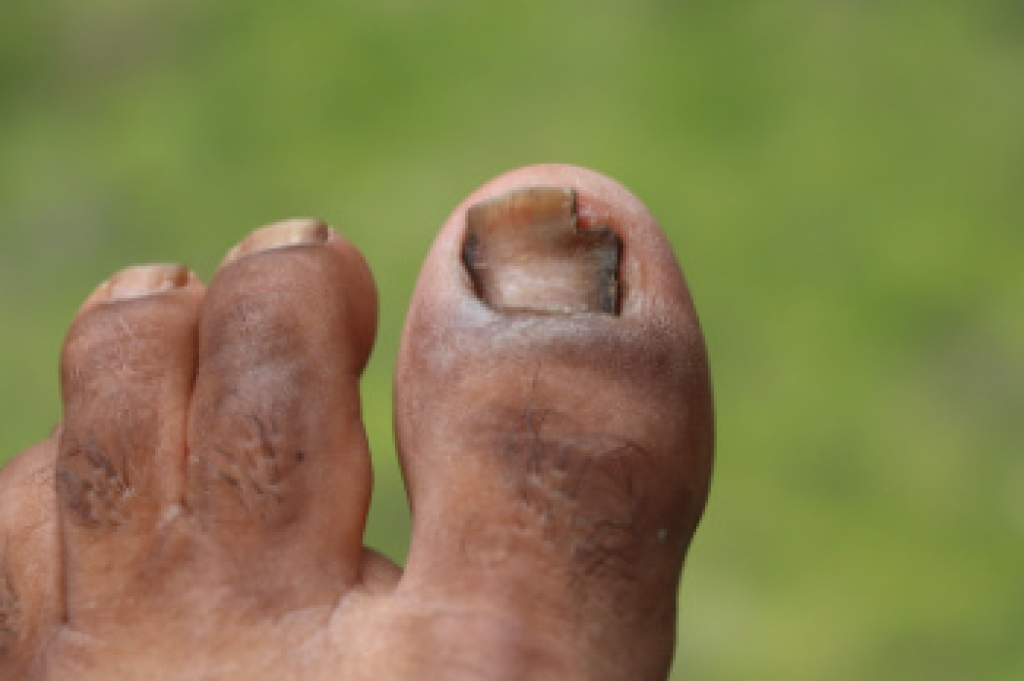
Toenail fungus is an infection that develops beneath the toenail and can affect people of any age. Older adults have a higher risk of developing it. The infection can begin under the tip of a toenail and gradually spread across the nail. Signs include discoloration, thickening, and brittleness. The edge of the nail can also begin to crumble. Different types of fungi can cause the infection. Toenail fungus can spread to the skin between the toes, where it can lead to athlete’s foot.
Certain health conditions can make toenail fungus more concerning. Diabetes or a weakened immune system can increase the risk of complications because the body has more difficulty fighting infection. An untreated fungal infection can spread beyond the toenails to other areas of the body. It can also permanently damage the affected nail. Toenail fungus can be difficult to eliminate and can return after treatment. Delaying care can make the infection harder to treat. For this reason, changes in nail color, texture, or thickness deserve attention before the problem becomes more severe.
A podiatrist can examine an affected toenail and determine whether fungus is responsible for the changes. This is important because other nail problems can resemble a fungal infection. Treatment depends on the severity of the infection and the patient’s health. A podiatrist can recommend appropriate antifungal treatment and monitor how the nail responds. In severe or painful cases, treatment can involve removing part or all of the affected nail. Because toenails grow slowly, visible improvement can take several months. Prompt treatment can also help reduce the chance that the infection will spread or cause lasting nail damage. If you have symptoms of toenail fungus, it is suggested that you schedule an appointment with a podiatrist for a diagnosis and appropriate treatment.
For more information about treatment, contact Ahmad Elsamad, DPM of The Institute of Foot & Ankle Reconstructive Surgery . Our doctor can provide the care you need to keep you pain-free and on your feet.
Toenail Fungus Treatment
Toenail fungus is a condition that affects many people and can be especially hard to get rid of. Fortunately, there are several methods to go about treating and avoiding it.
Antifungals & Deterrence
Oral antifungal medicine has been shown to be effective in many cases. It is important to consult with a podiatrist to determine the proper regiment for you, or potentially explore other options.
Applying foot powder on the feet and shoes helps keep the feet free of moisture and sweat.
Sandals or open toed shoes – Wearing these will allow air movement and help keep feet dry. They also expose your feet to light, which fungus cannot tolerate. Socks with moisture wicking material also help as well.
If you have any questions please contact our offices located in Merrillville, and Munster, IN . We offer the newest diagnostic and treatment technologies for all your foot and ankle needs.

Foot stretching and strengthening exercises can help improve the way the feet support the body during standing, walking, and physical activity. The feet contain many small muscles that contribute to arch support, balance, and controlled movement. When these muscles become weak or underused, the feet may have difficulty maintaining stability. Short foot exercises are designed to strengthen the muscles that support the arches without requiring complicated equipment. Regular foot exercises may also help improve mobility and body awareness. People who spend long hours standing, participate in sports, or experience certain foot mechanics may benefit from adding simple strengthening exercises to a healthy foot-care routine.
One useful exercise is the short foot exercise, which focuses on gently drawing the ball of the foot toward the heel without curling the toes. This movement activates muscles that help stabilize the arch while keeping the foot relaxed. Another helpful technique is an independent toe lift. During this exercise, the big toe is lifted while the other toes remain down, followed by lifting the smaller toes while keeping the big toe down. Independent toe lifts can improve foot control and mobility by teaching the toes and smaller foot muscles to work separately. These exercises should be performed slowly and without forcing uncomfortable movement.
Strengthening the feet may improve stability during everyday activities because stronger arch-supporting muscles can help control how the foot contacts the ground. A podiatrist can assess foot structure, joint movement, muscle strength, and walking mechanics before recommending exercises.
Consistency is important when developing stronger and more mobile feet. Short sessions performed regularly may be more useful than occasional intense workouts. Exercises should never cause sharp pain or significantly increase existing symptoms. If you want to learn more about foot stretches and strengthening exercises, it is suggested that you consult a podiatrist for an accurate evaluation and appropriate treatment recommendations.
Why Stretching Is Important for Your Feet
Stretching the feet is a great way to prevent injuries. If you have any concerns with your feet consult with Ahmad Elsamad, DPM from The Institute of Foot & Ankle Reconstructive Surgery . Our doctor will assess your condition and provide you with quality foot and ankle treatment.
Stretching the Feet
Stretching the muscles in the foot is an important part in any physical activity. Feet that are tight can lead to less flexibility and make you more prone to injury. One of the most common forms of foot pain, plantar fasciitis, can be stretched out to help ease the pain. Stretching can not only ease pain from plantar fasciitis but also prevent it as well. However, it is important to see a podiatrist first to determine if stretching is right for you. Podiatrists can also recommend other ways to stretch your feet. Once you know whether stretching is right for you, here are some excellent stretches you can do.
It is best to go easy when first stretching your foot and work your way up. If your foot starts hurting, stop exercising to ice and rest the foot. It is advised that you then see a podiatrist for help.
If you have any questions please contact our offices located in Merrillville, and Munster, IN . We offer the newest diagnostic and treatment technologies for all your foot and ankle needs.

A broken foot occurs when one or more bones in the foot crack or break. Symptoms include pain, bruising, and swelling. Tenderness can develop, and putting weight on the injured foot can become difficult. A severe fracture can cause the foot to look deformed or leave a bone visible through the skin. A broken foot can resemble a sprain because both injuries can cause similar symptoms. Fractures usually cause more severe pain, but symptoms alone cannot always show which injury has occurred.
Prompt evaluation is important when a fracture is suspected. Without proper treatment, a broken foot can lead to infection or changes in foot shape. Warning signs include worsening pain, numbness, or circulation problems. A foot that becomes blue and cold also requires urgent attention. A podiatrist can examine the injury and determine whether the symptoms point to a fracture or another problem. X-rays are frequently used to identify broken bones. Other imaging tests can help detect small fractures that do not appear clearly on an X-ray.
Treatment depends on where the bone is broken and how severe the fracture is. A podiatrist can protect the foot with a cast, brace, or walking boot. Keeping weight off the injured foot can also be part of treatment. Some fractures require the bones to be moved back into proper position. More serious breaks can require surgery with pins, screws, or plates to hold the bones in place. Many foot fractures take about six to eight weeks to heal, although recovery time varies. A podiatrist can monitor healing and determine when normal activities can safely resume. If you have broken your foot, it is suggested that you schedule an appointment with a podiatrist for a diagnosis and appropriate treatment.
A broken foot requires immediate medical attention and treatment. If you need your feet checked, contact Ahmad Elsamad, DPM from The Institute of Foot & Ankle Reconstructive Surgery . Our doctor can provide the care you need to keep you pain-free and on your feet.
Broken Foot Causes, Symptoms, and Treatment
A broken foot is caused by one of the bones in the foot typically breaking when bended, crushed, or stretched beyond its natural capabilities. Usually the location of the fracture indicates how the break occurred, whether it was through an object, fall, or any other type of injury.
Common Symptoms of Broken Feet:
Those that suspect they have a broken foot shoot seek urgent medical attention where a medical professional could diagnose the severity.
Treatment for broken bones varies depending on the cause, severity and location. Some will require the use of splints, casts or crutches while others could even involve surgery to repair the broken bones. Personal care includes the use of ice and keeping the foot stabilized and elevated.
If you have any questions, please feel free to contact our offices located in Merrillville, and Munster, IN . We offer the newest diagnostic and treatment technologies for all your foot care needs.