

Merrillville, IN
Munster, IN

Follow Us
Like Us

Blog

Foot Pain While Walking and What It May Indicate

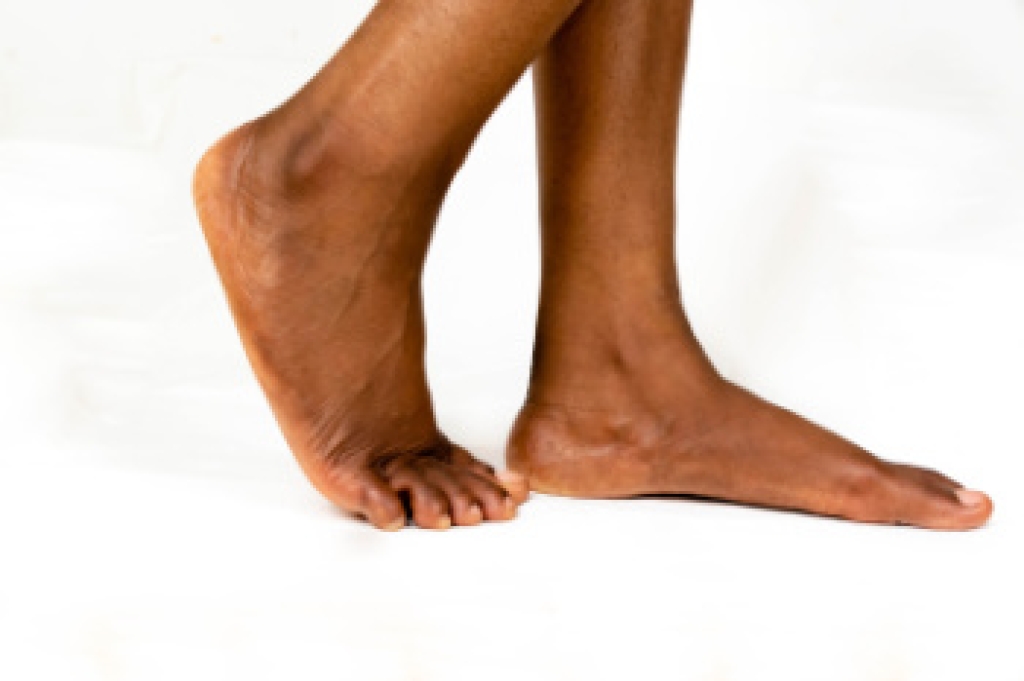
Foot pain while walking is a common concern that can affect mobility, balance, and daily comfort. This type of pain may develop gradually or appear suddenly, depending on the underlying cause. The foot is a complex structure made up of bones, ligaments, tendons, and nerves, all of which must work together to support movement. When one part becomes irritated or injured, it can lead to discomfort with each step. Understanding the causes of walking related foot pain can help identify when evaluation and treatment may be necessary.

Several conditions are known to contribute to foot pain during walking. Plantar fasciitis is one of the most common causes. It involves inflammation of the thick band of tissue along the bottom of the foot. It often leads to sharp heel pain, especially with the first steps in the morning. Morton neuroma affects the nerves between the toes, causing burning pain, tingling, or the sensation of stepping on a small object. Turf toe is a sprain of the joint at the base of the big toe. It is typically caused by repetitive push off movements or sudden force and results in pain and limited motion.


Risk factors for these conditions vary but often include overuse, wearing improper footwear, high-impact activities, and biomechanical imbalances. Individuals who spend long periods of time standing or walking on hard surfaces may be more prone to plantar fasciitis. Tight shoes or high heels can increase pressure on the forefoot, raising the risk of Morton neuroma. Turf toe is commonly seen in athletes who engage in sports that involve running or quick directional changes. Recognizing these risk factors can help guide prevention and early management strategies.


It is important to understand that foot pain while walking should not be ignored, as it may signal an underlying condition that requires attention. Early intervention can increase comfort and prevent further complications. If you have foot pain while walking, it is suggested you consult a podiatrist for an accurate diagnosis and appropriate treatment.

Foot Pain

Foot pain can be extremely painful and debilitating. If you have a foot pain, consult with Ahmad Elsamad, DPM from The Institute of Foot & Ankle Reconstructive Surgery . Our doctor will assess your condition and provide you with quality foot and ankle treatment.

Causes

Foot pain is a very broad condition that could be caused by one or more ailments. The most common include:

  • Bunions
  • Hammertoes
  • Plantar Fasciitis
  • Bone Spurs
  • Corns
  • Tarsal Tunnel Syndrome
  • Ingrown Toenails
  • Arthritis (such as Gout, Rheumatoid, and Osteoarthritis)
  • Flat Feet
  • Injury (from stress fractures, broken toe, foot, ankle, Achilles tendon ruptures, and sprains)
  • And more

Diagnosis

To figure out the cause of foot pain, podiatrists utilize several different methods. This can range from simple visual inspections and sensation tests to X-rays and MRI scans. Prior medical history, family medical history, and any recent physical traumatic events will all be taken into consideration for a proper diagnosis.

Treatment

Treatment depends upon the cause of the foot pain. Whether it is resting, staying off the foot, or having surgery; podiatrists have a number of treatment options available for foot pain.

If you have any questions, please feel free to contact our offices located in Merrillville, and Munster, IN . We offer the newest diagnostic and treatment technologies for all your foot care needs.

Read more about Foot Pain

When Heel Pain Has a Hidden Cause

Chronic heel pain is often linked to plantar fasciitis, often caused by irritation and inflammation of the thick band of tissue that supports the arch and connects the heel to the toes. However, in some cases, the source of discomfort may involve nearby muscles and nerves rather than the plantar fascia alone. Tightness in the calf, especially deeper muscles in the lower leg, can place added pressure on structures that travel toward the foot. This may lead to ongoing heel pain, tenderness, burning, or discomfort that does not improve with standard treatments such as stretching, shoe changes, or activity modification. Careful evaluation can help determine whether nerve irritation or muscle-related tension is contributing to symptoms. Treatment options may vary based on the cause and can include targeted therapies aimed at relieving pressure and reducing pain. Identifying the true source of heel discomfort is important when symptoms continue despite conservative care. If your heel pain has become persistent or has not improved with initial treatment, it is suggested that you visit a podiatrist for a thorough evaluation.

Many people suffer from bouts of heel pain. For more information, contact Ahmad Elsamad, DPM of The Institute of Foot & Ankle Reconstructive Surgery . Our doctor can provide the care you need to keep you pain-free and on your feet.

Causes of Heel Pain

Heel pain is often associated with plantar fasciitis. The plantar fascia is a band of tissues that extends along the bottom of the foot. A rip or tear in this ligament can cause inflammation of the tissue.

Achilles tendonitis is another cause of heel pain. Inflammation of the Achilles tendon will cause pain from fractures and muscle tearing. Lack of flexibility is also another symptom.

Heel spurs are another cause of pain. When the tissues of the plantar fascia undergo a great deal of stress, it can lead to ligament separation from the heel bone, causing heel spurs.

Why Might Heel Pain Occur?

  • Wearing ill-fitting shoes                
  • Wearing non-supportive shoes
  • Weight change           
  • Excessive running

Treatments

Heel pain should be treated as soon as possible for immediate results. Keeping your feet in a stress-free environment will help. If you suffer from Achilles tendonitis or plantar fasciitis, applying ice will reduce the swelling. Stretching before an exercise like running will help the muscles. Using all these tips will help make heel pain a condition of the past.

If you have any questions, please feel free to contact our offices located in Merrillville, and Munster, IN . We offer the newest diagnostic and treatment technologies for all your foot care needs.

Read more about Heel Pain

Risk Factors for Acquired Flat Feet

Acquired flat feet develop when the arch of the foot gradually lowers, and the foot rolls inward while walking. Several risk factors increase the chance of this happening. Aging is a common cause because the tendons and muscles that support the arch can weaken. Excess body weight also places added pressure on the feet and ankles. Diabetes and high blood pressure can affect blood flow and weaken soft tissue in the feet. Previous foot or ankle injuries raise the risk as well. Wearing shoes that lack proper support can place strain on the arch and tendons. People with arthritis may notice changes in foot shape that lead to flat feet. Common signs include swelling near the inside of the ankle, tired feet, and pain after standing for long periods. A podiatrist can examine the feet and provide custom orthotics, supportive footwear guidance, and other treatment options. If you have signs of flat feet, it is suggested that you make an appointment with a podiatrist for an exam and treatment options.

Flatfoot is a condition many people suffer from. If you have flat feet, contact Ahmad Elsamad, DPM from The Institute of Foot & Ankle Reconstructive Surgery . Our doctor will treat your foot and ankle needs.

What Are Flat Feet?

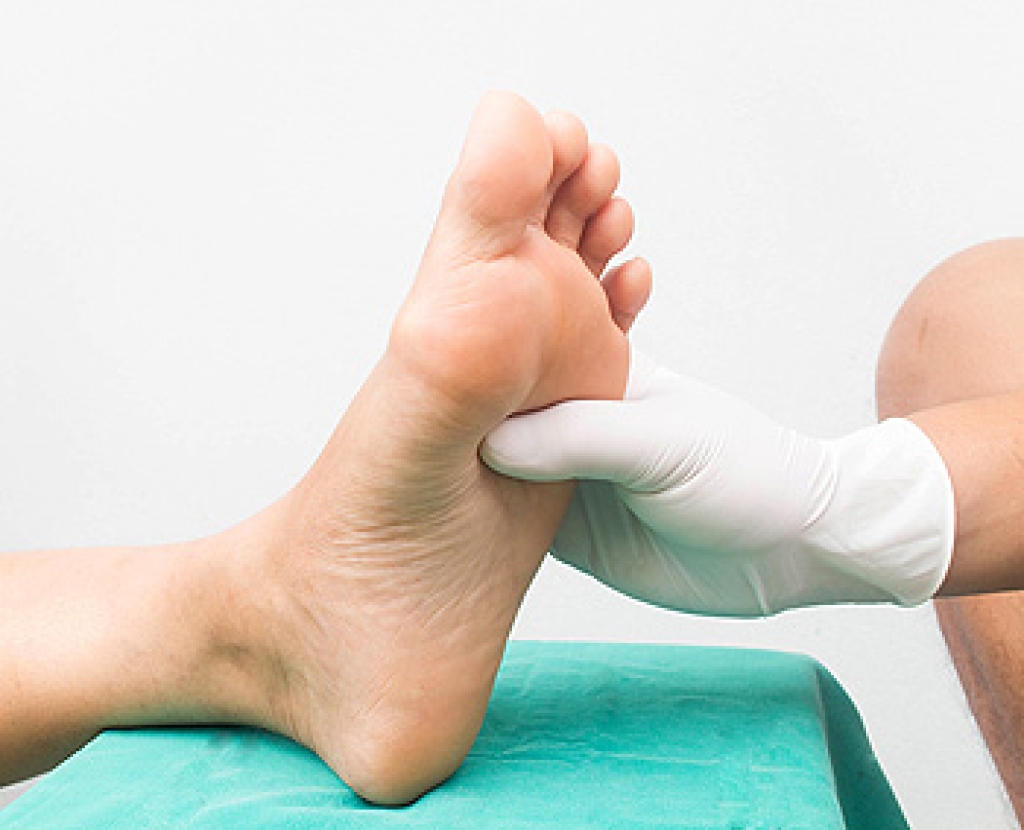
Flatfoot is a condition in which the arch of the foot is depressed and the sole of the foot is almost completely in contact with the ground. About 20-30% of the population generally has flat feet because their arches never formed during growth.

Conditions & Problems:

Having flat feet makes it difficult to run or walk because of the stress placed on the ankles.

Alignment – The general alignment of your legs can be disrupted, because the ankles move inward which can cause major discomfort.

Knees – If you have complications with your knees, flat feet can be a contributor to arthritis in that area.  

Symptoms

  • Pain around the heel or arch area
  • Trouble standing on the tip toe
  • Swelling around the inside of the ankle
  • Flat look to one or both feet
  • Having your shoes feel uneven when worn

Treatment

If you are experiencing pain and stress on the foot you may weaken the posterior tibial tendon, which runs around the inside of the ankle. 

If you have any questions, please feel free to contact our offices located in Merrillville, and Munster, IN . We offer the newest diagnostic and treatment technologies for all your foot care needs.
Read more about Flat Feet

Ankle Warm-Up Exercises to Improve Strength

Ankle warm-up exercises are important for preparing the feet and lower legs for activity and reducing the risk of injury. Gentle movement increases blood flow and helps improve flexibility and stability. Achilles tendon stretching involves lengthening the calf muscles by placing one foot behind, and pressing the heel toward the ground. Ankle inversion focuses on turning the sole inward to strengthen supporting muscles, while ankle eversion involves turning the sole outward to improve balance and control. These exercises can support better movement and reduce strain during daily activities or sports. A podiatrist can recommend a personalized routine and ensure proper technique for safe results. If you have injured your ankle, it is suggested that you consult a podiatrist who can offer appropriate treatment solutions, and provide additional guidance on ankle exercises.

Exercising your feet regularly with the proper foot wear is a great way to prevent injuries and build strength. If you have any concerns about your feet, contact Ahmad Elsamad, DPM from The Institute of Foot & Ankle Reconstructive Surgery . Our doctor can provide the care you need to keep you pain-free and on your feet.

Exercise for Your Feet

Exercise for your feet can help you gain strength, mobility and flexibility in your feet. They say that strengthening your feet can be just as rewarding as strengthening another part of the body. Your feet are very important, and we often forget about them in our daily tasks. But it is because of our feet that are we able to get going and do what we need to. For those of us fortunate enough to not have any foot problems, it is an important gesture to take care of them to ensure good health in the long run.

Some foot health exercises can include ankle pumps, tip-toeing, toe rises, lifting off the floor doing reps and sets, and flexing the toes. It is best to speak with Our doctor to determine an appropriate regimen for your needs. Everyone’s needs and bodies are different, and the activities required to maintain strength in the feet vary from individual to individual. 

Once you get into a routine of doing regular exercise, you may notice a difference in your feet and how strong they may become.

If you have any questions, please feel free to contact our offices located in Merrillville, and Munster, IN . We offer the newest diagnostic and treatment technologies for all your foot care needs.

Read more about Exercise for Your Feet

Diagnosing Peripheral Neuropathy in Diabetic Patients

Peripheral neuropathy is a condition that develops when nerves outside the brain and spinal cord become damaged. Diabetes is one of the most common causes of this problem. High blood sugar can damage nerves in the feet and reduce healthy blood flow. This makes it harder for the nerves to function properly. Symptoms include burning pain, tingling, and numbness. Weakness and a pins-and-needles feeling in the feet are also common. Symptoms can become worse when walking and may affect balance and stability. Lack of sensation in the feet also raises the risk of cuts, sores, and infections going unnoticed. A podiatrist can examine the feet, check nerve function, and order diagnostic testing to identify nerve damage and its cause. Treatment focuses on reducing symptoms, protecting the feet from further damage, and improving comfort and mobility. If you have symptoms of peripheral neuropathy, it is suggested that you schedule an appointment with a podiatrist for a diagnosis and management options.

Diabetic foot care is important in preventing foot ailments such as ulcers. If you are suffering from diabetes or have any other concerns about your feet, contact Ahmad Elsamad, DPM from The Institute of Foot & Ankle Reconstructive Surgery . Our doctor can provide the care you need to keep you pain-free and on your feet.

Diabetic Foot Care

Diabetes affects millions of people every year. The condition can damage blood vessels in many parts of the body, especially the feet. Because of this, taking care of your feet is essential if you have diabetes, and having a podiatrist help monitor your foot health is highly recommended.

The Importance of Caring for Your Feet

  • Routinely inspect your feet for bruises or sores.
  • Wear socks that fit your feet comfortably.
  • Wear comfortable shoes that provide adequate support.

Patients with diabetes should have their doctor monitor their blood levels, as blood sugar levels play such a huge role in diabetic care. Monitoring these levels on a regular basis is highly advised.

It is always best to inform your healthcare professional of any concerns you may have regarding your feet, especially for diabetic patients. Early treatment and routine foot examinations are keys to maintaining proper health, especially because severe complications can arise if proper treatment is not applied.

If you have any questions, please feel free to contact our offices located in Merrillville, and Munster, IN . We offer the newest diagnostic and treatment technologies for all your foot care needs.

Read more about Diabetic Foot Conditions
Connect with us

our recent articles